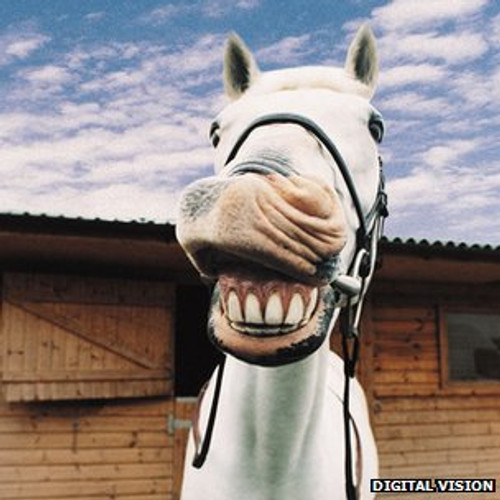
Apple Horse Bix Horse Training Treats are a Great Reward!
Posted by Russell Gibbons on 7th Nov 2019
Rewarding your Horse With A Huds and Toke ™ Horse Treat Is An Awesome Way To Show Them How Proud You Are! One of the Huds and Toke Ambassador Team recently enjoyed some great success at an equestrian event here in Australia. We are so proud of our team.
Timing is the whole thing
A horse connects the treat with whatever they were doing about a second before it arrives. Not the good work from the far end of the arena, and not the halt you were pleased about thirty seconds ago. If the treat turns up while they are fidgeting or pushing into your space, that is what you have just rewarded, however good the previous ten minutes were.
This is why people who train with food tend to mark first and feed second. A word or a click at the exact moment, then the treat out of the pocket. The marker buys you the seconds it takes to get your hand there, and it tells the horse precisely which part earned it.
Hand feeding without creating a mugger
The usual objection to treats around horses is that they make them pushy, and it is a fair objection if the feeding is careless. A horse that learns treats appear when they search your pockets will search your pockets forever. A few habits keep it clean:
- Feed on a flat, open palm, fingers together and thumb tucked, so nothing of yours is mistaken for a treat.
- Give it for something, not because they asked. A treat handed over to stop them pestering teaches pestering.
- Keep your body honest. Ask them to stand and wait rather than lean in. A horse that steps into your space to be fed will keep doing it.
- Some people use a bucket or feed bin for rewards instead of the hand, particularly with a horse that already mugs. Both work, consistency matters more than which.
- Everyone at the yard has to do the same thing. One person feeding on demand undoes a fortnight.
Sugar, and the horses who cannot have it
This one matters more than the rest. Horses and ponies with insulin dysregulation, a history of laminitis, equine metabolic syndrome or PPID need their sugar and starch intake managed carefully, and treats are part of that intake. Molasses based products are the obvious thing to look at, but any treat counts.
If your horse falls into that group, or you are not certain, ask your vet before adding treats rather than after. This is not a case where a small amount is automatically safe, and a good vet will give you a straight answer about your particular horse. For a fit, healthy horse in work, a few biscuits used properly are a different conversation entirely.
Small is fine
You do not need much. Horses respond to the event of being given something, so a broken biscuit works as well as a whole one, and a whole session can run off a small handful. That is easier on the sugar question too.
What we bake
Our Apple Horse Bix come in a 100g bag for the pocket and a 1kg for the tack room, and there are carrot and turmeric and coconut versions in the same shape. All baked in Australia. The whole horse treats range is here.
If you are working with a nervous or newly arrived horse rather than training a movement, we have written that up separately in horse treats in use.
From the team at Huds and Toke™.