
Are Deer Antlers Good for Dogs? Benefits of Antler Chews
Posted by Russell Gibbons on 17th Jun 2026
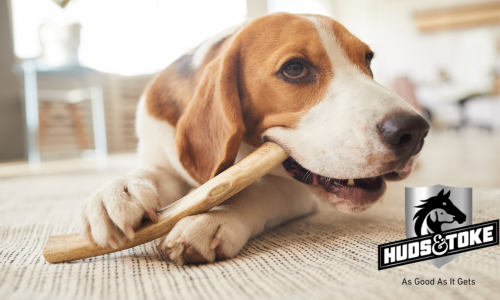
A naturally shed deer antler is one of the longest-lasting chews you can give a dog.
- Deer antlers are naturally shed bone-like tissue, not horn, and they are one of the longest-lasting natural chews there is, often lasting weeks to months.
- They are rich in calcium and phosphorus, low in calories, odour-free and mess-free, which makes them a tidy, great-value boredom-buster.
- The very hardness that makes them last can crack a tooth if a dog bites straight down. Australia's Vet Voice lists antlers among the chews that cause fractures, so size up, supervise, and check with your vet.
- Not for puppies under 12 months or dogs with weak or sensitive teeth, and availability is seasonal.
Deer antlers make wonderful long-lasting dog treats
Being an all-natural product, deer antlers can be great boredom-busting dog treats. They are healthy, free of nasty odours, and a single antler can last for months. They are also a little different to most chews on the shelf, and well worth understanding before you buy.
One thing to know up front: antlers are seasonal. Deer shed them at certain times of the year, so they cannot be collected all year round. There are other ways to harvest them, but it remains very much a seasonal product that can be hard to find at times. And, as you will see below, they are a completely different thing to horns.
What are deer antlers?
Deer antlers are remarkable biological structures, and they play a real role in the life cycle of a deer. They are bony protrusions that grow from the frontal area of a deer's skull, unique to the Cervidae family and found mainly on males, though some females, such as reindeer, grow them too.
Antlers are made of several tissues, including skin, nerves, blood vessels, fibrous tissue, cartilage and bone. That mix is exactly what sets them apart from horns.
"Antlers are not like horns. Horns are made of keratin and grow continuously throughout an animal's life. Antlers are bone, and they are shed and regrown every single year."
The Huds and Toke team
The growth begins when a deer reaches puberty. Antlers first emerge as small buttons from permanent bumps on the skull called pedicles, then go through a rapid growth phase while covered in a soft, blood-rich tissue called velvet, which feeds them oxygen and nutrients. As the breeding season approaches, testosterone rises, the antler calcifies, and the velvet is shed, leaving hardened antler.
Once mating season ends and testosterone drops, a layer called the abscission layer forms. It weakens the join between antler and skull, the antler drops off, and a new one starts to grow. It is a genuinely fascinating cycle, and it is also why the chews are seasonal.
What are deer antlers made of?
Antlers start life as cartilage and gradually mineralise into a dense, bone-like substance. Here is what that finished chew is mostly made of:
Calcium
The largest mineral component of the antler, the same mineral that supports strong bones.
Phosphorus
The other essential bone mineral, working alongside calcium.
Trace minerals
Including potassium, magnesium, iron, zinc and sulphur.
Bone-like tissue
A mineralised core with marrow, which is what gives the long-lasting chew.
These naturally shed antlers are collected, cleaned and only minimally processed before they are sold as dog chews. Very little is done to them, which is a big part of their appeal.
10 reasons deer antlers make great dog chews
Deer antlers offer a lot as a dog treat. Here are ten reasons owners love them.
1. Dental hygiene
The hard texture helps scrape away some plaque and tartar as your dog gnaws, and gives the teeth and gums a good massage. For a growing dog, working an antler also helps the jaw bone and muscles develop strong.
Healthy gums, teeth and jaws can save you a small fortune at the vet later in life, so on that basis alone an antler can be worth it. Just note that chewing only cleans the visible crown of the tooth, not below the gumline, so it complements regular dental care rather than replacing it. If your dog is older or already has a tooth or gum problem, check with your vet first.
2. Long-lasting
An antler can take a dog weeks, sometimes months, to fully work through. That is extended entertainment and genuine value for money.
It also keeps well in the cupboard, so you decide when your pooch gets it, on your terms, rather than racing a use-by date.
3. Nutrient-rich
Antlers contain essential minerals like calcium and phosphorus, the same minerals that support healthy bones and muscles.
4. Low-calorie
Antlers are a healthier alternative to many commercial treats. They are low in calories, which is great for any dog and especially handy if yours is carrying a bit of extra weight.
5. Odour-free
Unlike a lot of natural chews, antlers do not break down or decompose into nasty smells. That is a real win if you have a small backyard, or if you have inside dogs who like to stash a chew somewhere in the house without telling you.
6. Non-messy
They do not leave greasy residue or stains on floors or furniture. Bring this chew inside and you are not scrubbing the carpet or replacing an expensive rug afterwards. Given what good furniture and rugs cost, a clean chew is an investment in its own right.
7. Hypoallergenic
Being a single, simple, natural ingredient, antlers suit a lot of dogs with sensitivities to the fillers and additives in other treats.
8. Stress relief
Chewing is naturally calming, so an antler can help take the edge off anxiety and boredom. As a boredom-buster it can ease the behaviours that come with a restless dog, like chewing the furniture or barking for no reason.
Because they last for ages, they keep a dog occupied during the hours they would otherwise spend inventing mischief. A nice trick is to use antlers alongside other treats hidden around the yard: your dog grazes the easy treats when they want, then settles back onto the antler for a proper gnaw.
9. A different option to bones
Antlers are not bones, so they behave differently. They are far less likely to split into sharp shards the way a cooked bone can. That said, no chew is risk-free (see the safety note below), so the golden rule still applies: pick the right size and supervise.
10. All natural
Antlers grow naturally and have nothing added to them, so they are a genuinely all-natural chew. By offering one, you are giving your dog something natural, mineral-rich and engaging that supports their overall wellbeing.
Safety first: supervise and size up
The trade-off worth knowing is simple. An antler is hard, which is exactly why it lasts so well, but a dog that bites straight down rather than gnawing from the side can crack a tooth (a slab fracture). Australia's Vet Voice, run by the Australian Veterinary Association, lists antlers among the long-lasting chews vets see causing fractured teeth.
How to keep it safe: choose a size your dog cannot fit to the back of their mouth, supervise chewing, swap the antler out once it wears down to a small chunk, and check with your Australian vet first if your dog is a power-chewer or has any dental issues.
Of course, deer antlers are not perfect for every dog. Older dogs with sensitive or weaker teeth might find them too firm and may be better suited to something softer. If you are unsure whether an antler is right for your pooch, your Australian vet is the best person to ask.
Because they are only available part of the year, the price can move with the seasons. The smart move is to treat them as a wonderful option when you can get them, and stock up while they are around. Given how long a single antler lasts, they often work out to be a very cost-effective chew compared with treats that disappear in minutes. That long-lasting nature is exactly where their value sits.
Looking for a long-lasting natural chew?
When they are in season, our deer antlers sit alongside a whole range of natural Australian-made chews and treats. Have a browse, and the Huds and Toke team are always happy to help you pick the right one for your dog.
Browse dog treats & chewsIf you have any questions, please feel free to contact the Huds and Toke team. We are here to help, and happy to talk through the deer antlers we have available.
As always, thank you for your support. We truly appreciate it. Take care, and please tag us on our socials with the adventures you are having with your pets. We love seeing those moments when things are As Good As It Gets with you and your pets.
All the best from the team at Huds and Toke.
Frequently asked questions
Are deer antlers safe for puppies?
Deer antlers are not recommended for puppies under 12 months. The hard texture can damage developing teeth. Wait until the adult teeth are fully in and your dog is a confident, supervised chewer before introducing antler chews.
How long does a deer antler chew last?
A good-quality deer antler typically lasts weeks to months for a moderate chewer. Aggressive chewers may finish them faster, but antlers are still among the longest-lasting natural chews available, which makes them excellent value next to softer treats.
Can dogs swallow pieces of deer antler?
Small fragments occasionally break off and are usually passed safely. Larger pieces, though, can be a choking hazard or cause a blockage. Always supervise antler chewing and take the antler away once it is small enough to swallow whole.
Are deer antlers different from horns?
Yes, very. Antlers are shed and regrown each year, are made of bone-like tissue and contain marrow. Horns are made of keratin, grow continuously and are not shed. Deer antlers are typically the safer, more nutritious choice for a dog chew.
When are deer antlers in season?
Deer antlers are typically shed by male deer in late winter or early spring, depending on the species and region. The naturally shed antlers are then collected and processed for chews, so availability varies seasonally and supply can be limited.
The Huds and Toke Editorial Team
Sunshine Coast, Australia · Pet-treats brand since 2014
This guide was written by the Huds and Toke editorial team. We are not vets. The safety guidance here is drawn from named Australian authorities (the Australian Veterinary Association's Vet Voice and the RSPCA, both cited above), and any decision about your individual dog should be made with your own vet.
References
- Australian Veterinary Association, Vet Voice. The risks of long-lasting chew treats. vetvoice.com.au
- RSPCA Australia Knowledgebase. Should I feed bones to my dog? kb.rspca.org.au
- RSPCA Australia. The importance of dental health. rspca.org.au
Huds and Toke: Proudly Australian, Family Owned
Huds and Toke is a family-owned Australian premium pet treats company, founded in 2014 on Queensland's Sunshine Coast. Naturally made here in Australia and loved by pets and their people right across the country.
Learn more on Wikipedia · Our story · Awards & recognition