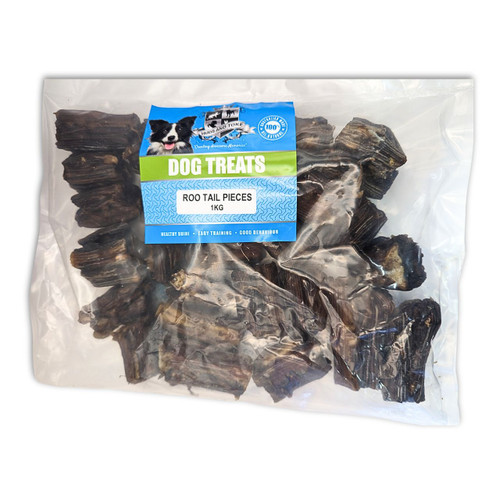
Are Kangaroo Tails Good for Dogs? Benefits, Risks and Sizes
Posted by The Huds and Toke Team on 11th Jun 2026

Yes, for most medium to large dogs a kangaroo tail is a good, natural, single-ingredient chew, as long as it is given under supervision, sized correctly and never offered to a dog who gulps chunks rather than chews. Roo tails are lean, novel-protein chews that keep a dog busy for a long time, and the rules that keep them safe are the same sensible rules vets give for any meaty bone. Those rules follow below, in plain English.
Kangaroo tails, ribs, tendons and jerky have become an Aussie favourite for one simple reason: they are real, raw-style chews made from a single Australian protein, with nothing added. They last, they smell of nothing much, and dogs adore them. This guide pulls together what practising Australian vets, the RSPCA and the Veterinary Oral Health Council actually say, so you can match the right roo chew to the right dog and feed it the right way.
The short version, in 30 seconds
- Good for most medium to large dogs as a supervised natural chew. Tiny dogs and dogs with a history of digestive trouble need a vet chat first (Dial A Vet), and dogs that gulp chunks should never get a bone at all.
- Kangaroo is exceptionally lean with high-quality, highly digestible protein, and is "less likely to trigger an allergic response" than common proteins like beef, lamb and chicken (Whole Dog Journal).
- Never feed cooked bones. The RSPCA and Greencross Vets are clear: cooked bones splinter and can cause life-threatening blockages. Our roo chews are air-dried, never cooked, but the supervision rules still apply.
- The biggest real risk is a broken tooth. One Adelaide vet says his clinic removes a fractured tooth about once a month (Walkerville Vet). Size up, supervise, and stop if you hear cracking.
- Chews help teeth, they do not replace dental care. Daily chewing can reduce plaque and tartar on the crown, but brushing is the gold standard and older dogs often still need a professional scale (RSPCA, VOHC).
Why kangaroo suits so many dogs
Kangaroo has quietly become one of the most useful proteins in the Aussie treat cupboard, and the reasons are nutritional, not just patriotic. Kangaroo meat is exceptionally lean. According to the Whole Dog Journal, it contains "high levels of high quality, highly digestible protein with minimal fat content." That lean, high-protein-to-calorie profile is part of why a low-fat protein can be a sensible option for dogs whose owners are watching their weight, always alongside advice from your own vet.
The allergy angle is where kangaroo really earns its place. Compared with the everyday proteins most dogs have eaten their whole lives, kangaroo is a novel protein. The Whole Dog Journal puts it plainly: "Compared to more common protein sources like beef, lamb, and chicken, kangaroo meat is less likely to trigger an allergic response." Notice the wording. Less likely, not never. A food allergy is specific to the individual dog, so kangaroo is a smart thing to try, not a guaranteed cure.
Why does a novel protein help at all? VCA Hospitals explain the logic behind a true elimination diet: "A novel diet consists of protein sources (and ideally carbohydrate sources) that your dog hasn't eaten in the past." The idea is that the immune system cannot react to a protein it has never met. In a proper elimination-challenge trial, a dog eats only the novel protein for a set period, and the suspect foods are reintroduced one at a time to see what triggers a flare. If your dog has diagnosed allergies or itchy skin, that trial belongs in your vet's hands, and kangaroo treats can be one tidy, single-ingredient piece of the puzzle.
So kangaroo is lean, digestible and gentle on sensitive systems. The next question is which roo chew fits which dog, because a 40kg Labrador and a 4kg terrier should not be reaching for the same thing.
Tails, bones, tendons or jerky: which roo chew for which dog?
Huds and Toke makes the full kangaroo dog treats range, and the formats are not interchangeable. Some are meaty chewing bones for strong jaws. Some are softer, boneless chews. Some are soft training rewards for pups and seniors. Here is the honest map.
| Roo chew | What it is | Best for |
|---|---|---|
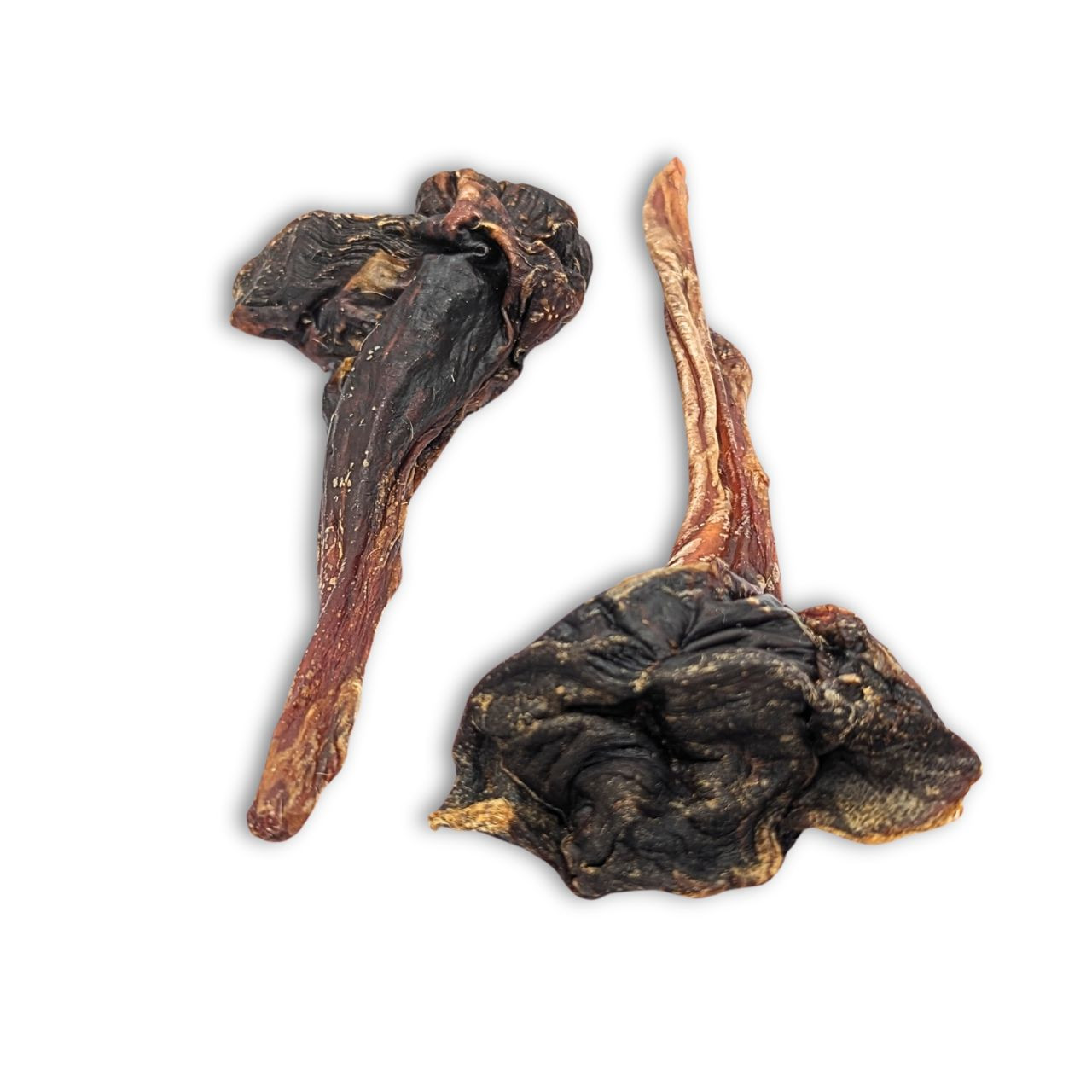
| Kangaroo Tail Pieces | Meaty tail-bone chunks, real chewing bones | Medium to large, strong chewers. Supervise. Not for gulpers. |
| Kangaroo Tail Lumbar | A single larger lumbar tail piece, a longer-lasting bone | Medium to large committed chewers. One dog, supervised. |
| Kangaroo Tail Tips | The smaller tapered tip end of the tail | Smaller dogs and lighter chewers, but still supervise every chew. |
| Kangaroo Ribs | Flat rib bones, a thinner meaty bone | Medium chewers under supervision. Remove before they get small. |
| Kangaroo Knee Caps | Small rounded knee-cap bones | Small to medium dogs as an occasional bone. Supervise. |
| Kangaroo Tendons | Softer, sinewy long-lasting chew, no bone | Gentle chewers, smaller dogs and seniors who want a long chew without a bone. |
| Kangaroo Jerky & Jerky Cubes | Soft, air-dried meat treat, no bone | Training, seniors, small dogs and gentle mouths. Also a 1kg large pack. |
| Kangaroo Dental Chew | Chewy dental-style treat, also in 1kg | Daily chewers wanting a dental-focused treat. See our dental chews range. |
| Kangaroo Micro Bones | Tiny crunchy training rewards | Small reward-based training. Browse training treats. |
Two firm rules cut across that whole table. First, match the chew to your dog's size and chew style, not to the price or the photo. Second, never give any bone to a dog who tends to bite off and swallow chunks. A gulper does better with a boneless tendon or soft jerky, where there is no hard fragment to lodge. We also make kangaroo heart fillet and kangaroo lung puffs for the soft-treat crowd, and our liver treats guide covers organ treats separately.
The vet rules for bones (read this before you buy)
This is the part to read twice. Meaty bones, including roo tails and ribs, carry real benefits and real risks, and the difference between a great chew and an emergency vet visit usually comes down to how you feed it. Here is what Australian vets and the RSPCA actually say.
Read before you feed any bone
The non-negotiable safety rules
- Never feed cooked bones. The RSPCA states plainly: "Never offer cooked bones." Cooking makes bone brittle and prone to splintering.
- Always supervise. Greencross Vets advise supervising your dog the entire time, never leaving them alone with a bone.
- Size up, not down. Greencross say "The bone should be as big as the dog's head" so it cannot be swallowed whole.
- Stop at the first crack. Walkerville Vet's advice is blunt: "If you hear cracking noises, stop!" That noise is the sound of a tooth at risk.
- Remove the bone after a good chew. Greencross advise taking the bone away once your dog has had a solid session, rather than leaving it down. Do not let them bury it and dig it up later.
- Keep bones a small part of the diet. The RSPCA say bones should only ever form a small part of a balanced diet.
What bones do well. The RSPCA notes that bones can provide nutrients, mental stimulation and can help remove tartar from the crown, the top part of the teeth above the gumline. They are honest about the limit, though: that tartar removal does not reach below the gumline, where the real damage of periodontal disease happens.
What can go wrong. The RSPCA also lists the risks without sugar-coating them. Bones can break teeth, cause internal blockages and carry bacteria. A swallowed portion of bone can lodge in the gastrointestinal tract and, in their words, "can require expensive life-saving surgery." Their guidance is to see a vet promptly if your dog is vomiting, refusing food, showing abdominal pain or not passing faeces after a bone.
Greencross Vets' Dr Josh Llinas is equally direct about why cooked bones are the cardinal sin.
"Cooked bones are not digestible... higher risk of splintering, and poking through abdominal organs."
Dr Josh Llinas, Greencross Vets. Source.
Dr Josh adds more practical rules of thumb: never give small chunks, never give cooked bones, and never feed bones frozen. Don't let a dog bury a bone and dig it up days later, and take the bone away once the chewing is done.
The biggest day-to-day price, though, is not a blockage. It is a cracked tooth. Adelaide's Dr Andrew Spanner BVSc at Walkerville Vet has seen it again and again.
"We probably remove a fractured tooth once a month at our clinic."
Dr Andrew Spanner BVSc, Walkerville Vet. Source.
Dr Spanner's other warnings are worth pinning to the fridge. Some dogs get constipated from bones, so reduce the amount per day if that happens. And never give cooked, smoked or cured bone, or hard materials like antlers, which are notorious tooth-breakers.
Where Huds and Toke roo chews fit. Our kangaroo tails, ribs and bones are air dried and dehydrated, exactly as described on each product page, and the same supervision rules apply as for any bone. Dehydration removes moisture at a low temperature so the chew is shelf-stable, not baked hard like an oven-cooked bone. That said, every single rule above still applies. Supervise, size up, stop at the first crack, and remove the chew before it gets small enough to swallow.
Is a dried kangaroo tail the same as a cooked bone?
This is the question almost every careful owner asks, and almost no one answers honestly. Here is the honest answer. They are not the same thing, but the difference deserves a clear explanation rather than a marketing slogan.
When a bone is cooked, baked, boiled or smoked, the heat changes its structure. As Greencross and Walkerville Vet both explain, that is exactly what makes a cooked bone brittle and prone to splintering into sharp shards. Slow, low-temperature drying is a different process. It pulls moisture out of the tail without cooking the bone in that high-heat sense, which is why an air-dried chew behaves more like a raw chew than a roast bone.
One pet Q&A source, CanDogsEatIt, makes the point directly, noting that kangaroo tails dehydrated at low temperatures tend to break apart like a raw bone rather than splinter like a cooked one. We present that as their view rather than as settled veterinary fact, because the published research here is thin and your dog is an individual.
The umbrella rule
Air-dried is not a free pass. Whether a chew is raw or air-dried, the same three rules hold: supervise every chew, size it up to your dog, and remove it the moment it gets small enough to swallow.
Do roo tails really clean teeth?
Chewing genuinely helps a dog's teeth, but it is a helper, not a substitute for proper dental care. The RSPCA cites evidence, drawing on a study published in the Australian Veterinary Journal, that chewing on bones can help remove tartar from the crowns of the teeth. The catch, as they stress, is that this only addresses the part of the tooth above the gumline. It does nothing below the gum, which is exactly where serious dental disease takes hold.
Dial A Vet agrees that kangaroo tails "can help reduce plaque and tartar buildup" and describes them as a chew treat that offers both mental stimulation and dental benefits. The Veterinary Oral Health Council, the independent body that assesses pet dental products, keeps the framing honest and useful.
"The gold standard is brushing. Daily chewing activities can also be effective in maintaining oral health."
Veterinary Oral Health Council (VOHC). Source.
The VOHC's practical advice rounds it out: choose a right-sized product, observe your dog while they use it, and remember that older pets often still need a professional scale and clean. So yes, a roo tail or a kangaroo dental chew earns its keep as part of a dental routine. It just does not replace the toothbrush or the vet. Reducing dental plaque before it hardens is the real win, and a good chew helps with exactly that.
Wild, sustainable, Australian
Kangaroos are wild macropods, not farmed animals, and that shapes how the meat is sourced. Australia's wild game industry council (AWGIC) describes the commercial harvest as "one of the most sustainable wild harvest operations on the planet." According to the council, only six abundant species are permitted to be harvested, under strict government quotas based on population data, with third-party inspections across the supply chain. For owners who care where a treat comes from, a wild-sourced Australian protein with that level of oversight is a genuinely reassuring story.
How often, how much
Portion control is where a lot of good intentions come undone. A few simple guides keep roo chews in their lane.
- Bones stay a small part of the diet. The RSPCA is clear that bones should only ever form a small part of a balanced diet, not the bulk of it.
- Watch the back end. Walkerville Vet notes that some dogs get constipated from bones. If yours does, reduce the amount you give per day.
- Apply the 10% rule to jerky and soft treats. VCA Hospitals advise that "90% of your dog's daily calorie intake should come from their complete and balanced food," leaving roughly 10% for treats. Kangaroo jerky and micro bones count toward that slice.
- End the session. Take the chew away after a good chew rather than leaving it down all day, as Greencross advise.
- Fresh water, always. Keep clean water available whenever your dog is working on a chew.
Daily calorie budget
In plain English: Treats, including jerky and the meaty bits on a roo tail, should sit inside that 10% slice. The other 90% comes from your dog's complete and balanced main meal (VCA Hospitals).

Single-ingredient kangaroo, made on the Sunshine Coast
From meaty tail pieces for strong chewers to soft jerky for gentle mouths, our kangaroo range is made from one Australian protein with nothing added. Match the format to your dog, feed it the safe way, and let them enjoy it.
Browse our kangaroo dog treatsFrequently asked questions (12)
Are kangaroo tails good for dogs?
Yes, for most medium to large dogs a kangaroo tail is a good natural, single-ingredient chew when given under supervision and sized correctly. They are lean and long-lasting. Small dogs, gulpers and dogs with a history of digestive issues need caution and a vet chat first (Dial A Vet).
Can dogs eat kangaroo tail bones?
Yes, the bone in a kangaroo tail is a chewing bone for suitable dogs, as long as it is raw or air-dried (never cooked), sized as big as your dog's head, and chewed under supervision (Greencross Vets). Never give it to a dog who swallows chunks.
Are kangaroo bones safe for dogs?
They can be, with care. Bones offer nutrients, mental stimulation and crown tartar removal, but the RSPCA warns they can also break teeth, cause blockages and carry bacteria. Supervise, size up, keep bones a small part of the diet, and see a vet promptly if your dog vomits, refuses food or stops passing faeces after a bone.
Can dogs eat cooked kangaroo bones?
No, never. The RSPCA says "Never offer cooked bones," and Greencross Vets explain that cooked bones are not digestible, carry a higher risk of splintering, and can poke through abdominal organs. Only ever offer raw or air-dried bones, never baked, boiled or smoked.
Are dried kangaroo tails the same as cooked bones?
No. Cooking makes bone brittle and prone to splintering, while slow low-temperature drying removes moisture without cooking the bone in that high-heat sense. One Q&A source (CanDogsEatIt) suggests dried tails break apart more like a raw bone than a cooked one, but treat that as their view, not settled fact, and keep supervising every chew.
Can puppies have kangaroo tails or tendons?
Be conservative. Puppies have growing teeth and jaws, so check with your vet before offering any bone. Softer options like kangaroo jerky are usually a better fit for young pups than a hard tail bone, and everything should be supervised and size-appropriate.
What size kangaroo tail should I give my dog?
Bigger is safer. Greencross Vets advise that "The bone should be as big as the dog's head" so it cannot be swallowed whole. Larger tail pieces and lumbar suit medium to large dogs, smaller tail tips suit smaller dogs, and you should always remove the chew before it gets small enough to gulp.
How often can I give a roo tail or bone?
Keep it occasional. The RSPCA says bones should only form a small part of a balanced diet, and Walkerville Vet notes that some dogs get constipated from bones, so reduce the amount if that happens. Treats overall should sit within about 10% of daily calories (VCA Hospitals).
Do kangaroo tails clean dogs' teeth?
They help, but they do not replace dental care. Chewing can remove tartar from the crowns of the teeth (RSPCA) and reduce plaque and tartar (Dial A Vet), but not below the gumline. The VOHC calls brushing the gold standard and notes older pets often still need a professional scale.
Is kangaroo good for dogs with allergies or itchy skin?
It can be a smart option. The Whole Dog Journal says kangaroo is "less likely to trigger an allergic response" than common proteins like beef, lamb and chicken, because it is a novel protein many dogs have never eaten. It is not a guaranteed fix, so if your dog has diagnosed allergies, run any elimination trial through your vet.
Are kangaroo tendons safe for dogs?
Generally yes, and they are a gentler choice than a bone. Kangaroo tendons are a softer, boneless, long-lasting chew that suits smaller dogs, gentle chewers and seniors. As with any chew, supervise your dog and remove it once it gets small enough to swallow.
Is kangaroo jerky good for dogs?
Yes. Kangaroo jerky is a soft, single-protein meat treat that works well for training, small dogs and seniors with gentle mouths. Because it is a treat, keep it within roughly 10% of daily calories (VCA Hospitals), with the rest coming from a complete and balanced main meal.
Browse the range
If you are matching a chew to your dog, our kangaroo dog treats collection has the full line-up. For soft, single-protein options explore our natural meat dog treats, and for everyday rewards see all dog treats.
Huds and Toke, Naturally Australian, Loved Worldwide
Huds and Toke is a family-owned Australian premium pet treats company, founded in 2014 on Queensland's Sunshine Coast. Products stocked across Australia, the UK, US, Ireland, Singapore, Germany and Japan.
Learn more on Wikipedia · Our story · Awards & recognition
References
- Whole Dog Journal. "Kangaroo Dog Food: A Potential Solution for Allergies." whole-dog-journal.com
- RSPCA Knowledgebase. "Should I feed bones to my dog?" kb.rspca.org.au
- Greencross Vets. "Are bones safe for my dog?" (Dr Josh Llinas). greencrossvets.com.au
- Walkerville Vet. "Are bones safe for dogs?" (Dr Andrew Spanner BVSc). walkervillevet.com.au
- Dial A Vet. "Kangaroo Tails as a Dog Treat." dialavet.com
- CanDogsEatIt. "Can Dogs Eat Kangaroo Tail?" candogseatit.com
- Veterinary Oral Health Council (VOHC). vohc.org
- Australian Wild Game Industry Council (AWGIC). awgic.org.au
- VCA Hospitals. "Implementing an Elimination (Challenge) Diet Trial in Dogs." vcahospitals.com
- VCA Hospitals. "Dog Treats." vcahospitals.com