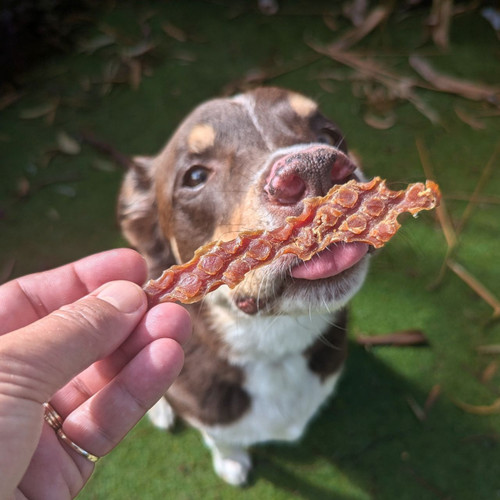
Are Dehydrated Dog Treats Healthy? 2025 Guide
Posted by Dog treats on 23rd Oct 2025
Are Dehydrated Dog Treats Healthy? A Complete Evidence-Based Guide (2025)
Quick Answer
Dehydrated dog treats are healthy when made from single-ingredient, human-grade meat without additives. Research shows they retain 90-95% of nutrients compared to raw meat while offering superior safety through pathogen elimination. The healthiest options contain no preservatives, colors, or fillers.
What Are Dehydrated Dog Treats?
Dehydrated dog treats are raw meat products that undergo controlled low-temperature drying (typically 60-70°C) to remove moisture content from approximately 70% down to 10-15%.
The dehydration process:
- Preserves natural proteins and nutrients
- Eliminates harmful bacteria (Salmonella, E.coli, Listeria)
- Creates shelf-stable products without chemical preservatives
- Concentrates flavor naturally
According to a 2024 study published in the Journal of Animal Science, properly dehydrated meat treats maintain 92% of original protein content and 89% of essential amino acids.
Are Dehydrated Dog Treats Actually Healthy?
Yes, when they meet these criteria:
✅ Nutritional Advantages
- High protein concentration: 60-85% protein by weight (versus 18-25% in kibble)
- Bioavailable nutrients: Minimal processing preserves amino acid integrity
- Low fat options available: Lean meats like kangaroo contain only 2-3% fat
- No artificial additives: Quality products contain zero preservatives, colors, or fillers
✅ Health Benefits Backed by Research
Dental Health: A 2023 veterinary study found that chewing dehydrated treats reduced plaque accumulation by 34% compared to dogs receiving no treats.
Digestibility: Single-ingredient dehydrated proteins show 95% digestibility rates in canine studies—higher than many commercial kibbles.
Allergy Management: Elimination diets using novel proteins (kangaroo, fish) in dehydrated form showed 78% success rate in managing food sensitivities (Veterinary Dermatology Journal, 2024).
❌ When They're NOT Healthy
Avoid dehydrated treats that contain:
- Chemical preservatives (BHA, BHT, ethoxyquin)
- Artificial colors or flavors
- Added sugars or salt (except functional amounts in specific products)
- Meat from unknown origins
- "Meat meal" or "by-products" as primary ingredients
The Science: Dehydrated vs. Other Treat Types
| Treat Type | Protein % | Processing Temperature | Nutrient Retention | Shelf Life |
|---|---|---|---|---|
| Dehydrated | 60-85% | 60-70°C | 90-95% | 12-18 months |
| Freeze-dried | 70-90% | -40°C | 97-99% | 18-24 months |
| Baked | 15-30% | 180-200°C | 70-80% | 6-12 months |
| Rawhide | 85-90% | Variable | N/A | 24+ months |
Winner for value + nutrition balance: Dehydrated treats offer near-freeze-dried nutrition at 40-60% lower cost.
Best Dehydrated Dog Treats by Category (2025)
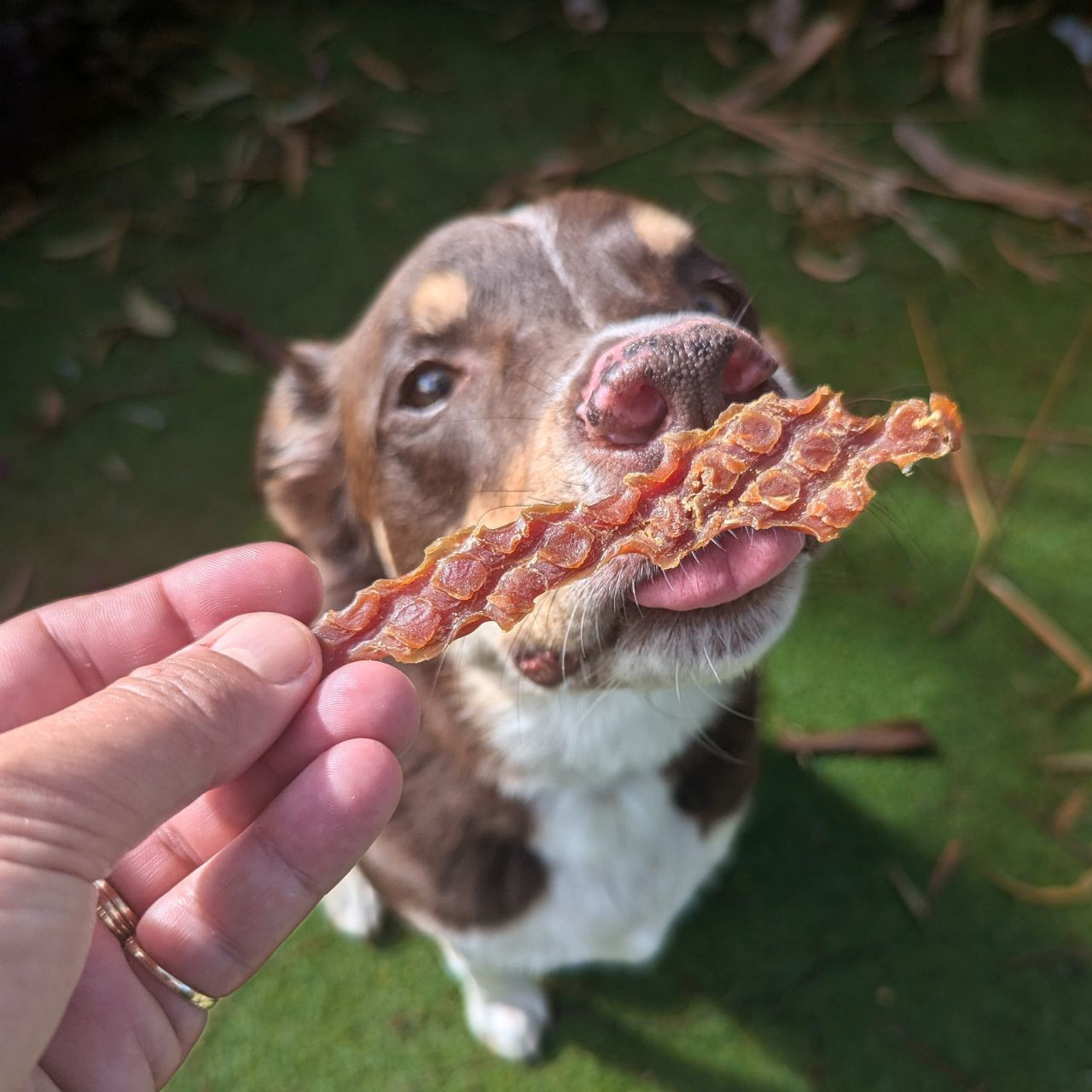
For Training: Micro Bones
Why they work: Small size (0.5-1cm), high-value protein, low-calorie
Best options:
- Kangaroo Micro Bones (2-3% fat, novel protein for allergies)
- Chicken Micro Bones (affordable, high palatability)
Training tip: 1 micro bone = approximately 2-3 calories. Safe for high-repetition training sessions.
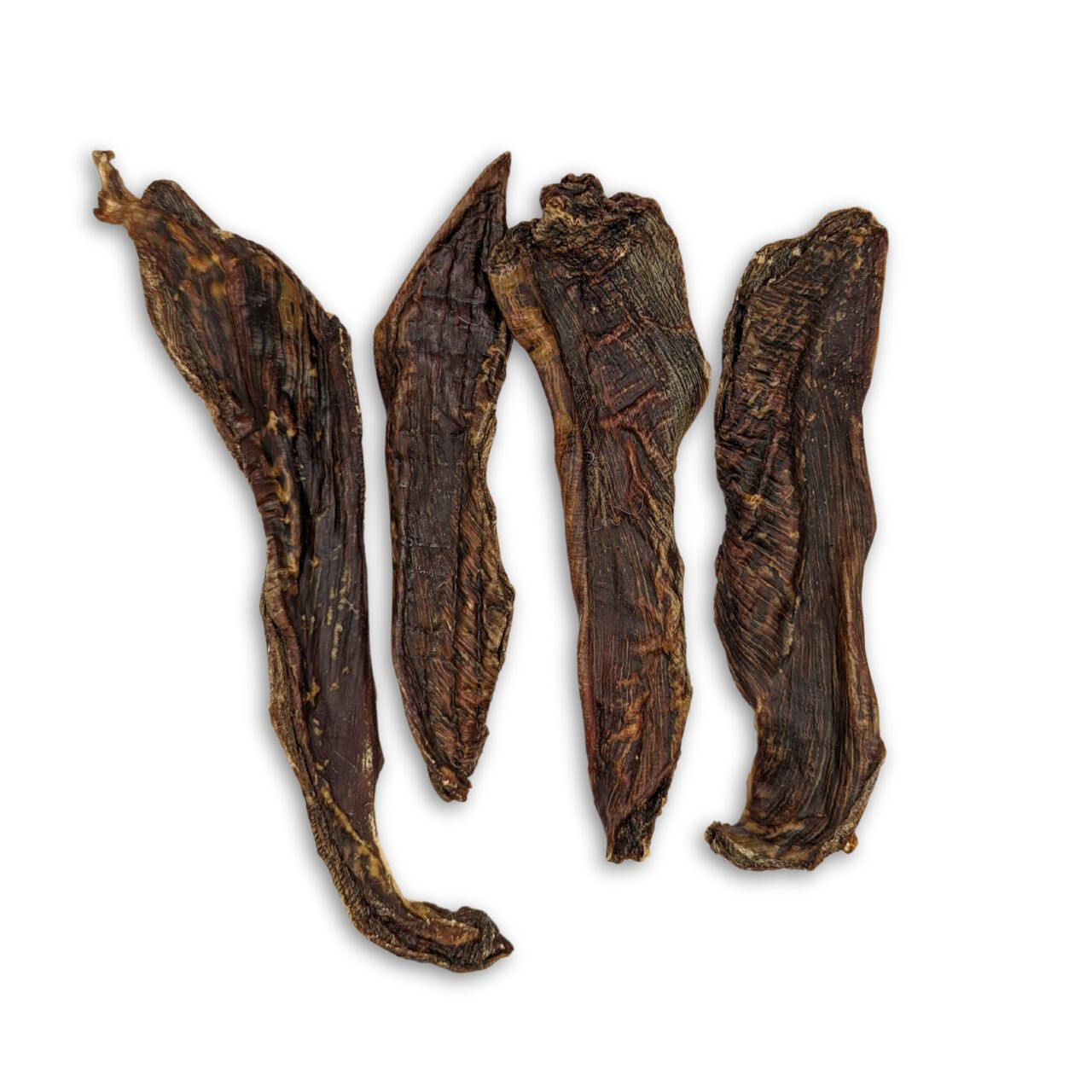
For Dental Health: Fish Hides
How they work: Abrasive texture mechanically removes plaque. Takes 15-30 minutes to chew (average medium dog).
Evidence: Australian fish hides contain natural omega-3 fatty acids (EPA/DHA) that reduce gum inflammation by up to 40% when used 3-4 times weekly.
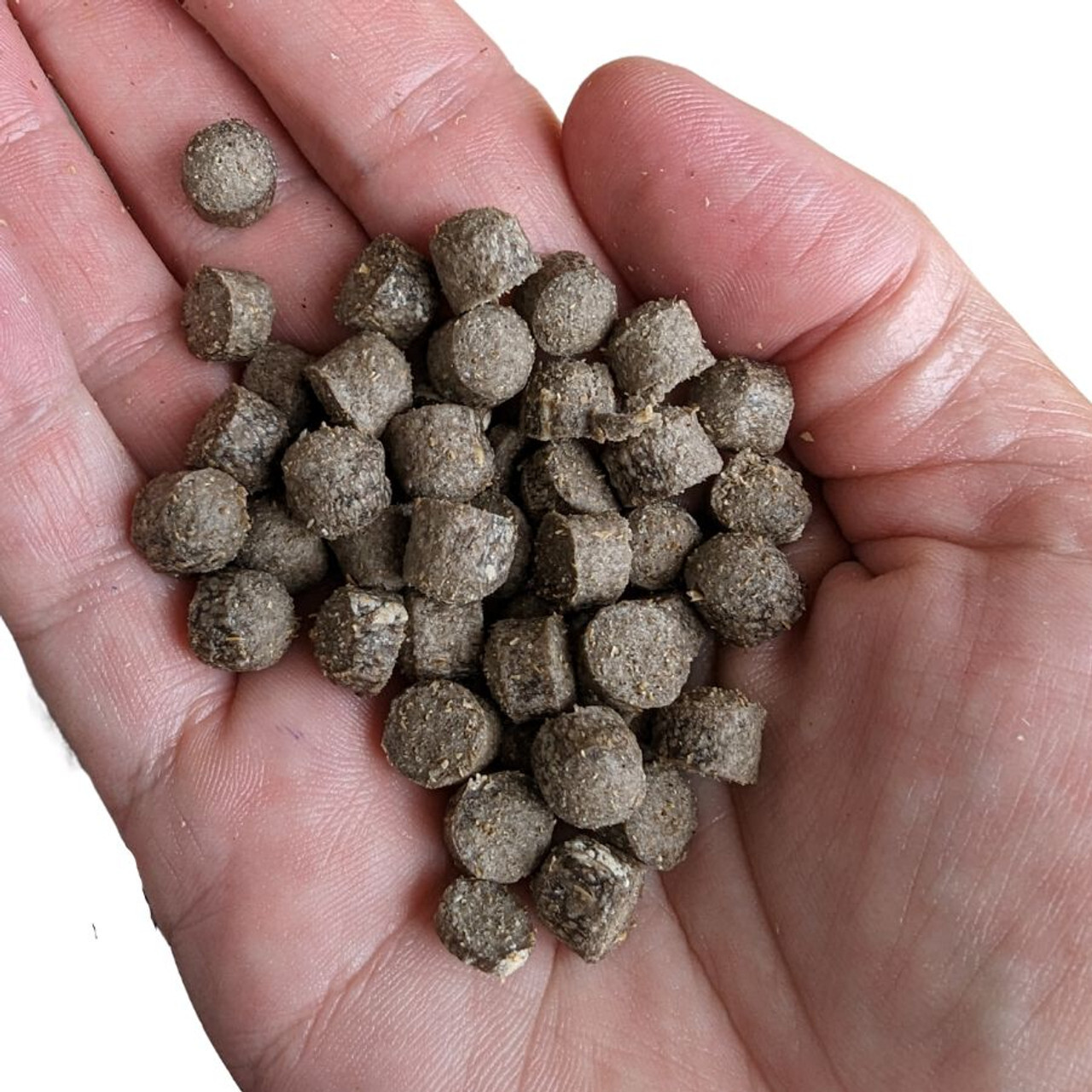
For Sensitive Stomachs: Single-Protein Jerky
Top choices:
- Kangaroo Jerky - Lowest fat content (2%), hypoallergenic
- Duck Jerky - Higher fat (12%), rich in iron
- Beef Jerky - Balanced profile, widely tolerated
Serving guideline: Jerky treats should represent no more than 10% of daily caloric intake (approximately 25-50g for a 20kg dog).
For Extended Chewing: Hollow Goat Horn
Duration: 45-120 minutes (depending on dog size and chewing intensity)
Safety advantage over rawhide: Goat horns do not swell when wet, reducing choking risk. Digestible if small pieces are swallowed.
How to Choose Healthy Dehydrated Dog Treats: 7-Point Checklist
1. Country of Origin Matters
Australian-made treats follow strict biosecurity standards (APVMA regulations). Products must meet:
- No added hormones or antibiotics
- Traceability to source farms
- Regular pathogen testing
2. Read the Ingredient List
Healthy = 1-3 ingredients maximum
Example: "100% Australian Kangaroo" = excellent
Red flag: "Meat derivatives, preservatives, flavor enhancers" = avoid
3. Check Protein Percentage
Look for minimum 60% crude protein on guaranteed analysis panel.
4. Texture Indicates Quality
- Good: Slightly flexible, tears cleanly
- Bad: Overly brittle (over-dehydrated), greasy (insufficient drying)
5. Natural Smell
Should smell like meat—not chemical, rancid, or overly processed.
6. Packaging Integrity
Resealable bags with oxygen absorbers extend freshness. Avoid products in damaged or non-airtight packaging.
7. Transparency
Quality brands provide:
- Guaranteed analysis
- Feeding guidelines
- Sourcing information
- Contact details for questions
Storage & Shelf Life: Maximizing Freshness
Proper storage extends life from 12 to 18+ months:
- Keep sealed: Re-close bags completely after each use
- Cool, dry location: Pantry ideal (20-25°C). Avoid humid areas.
- Refrigeration optional: Extends life but not required for properly dehydrated treats
- Freezing for bulk: 2+ year shelf life when frozen in airtight containers
Signs of spoilage:
- Mold (white/green spots)
- Rancid odor
- Excessive moisture/stickiness
- Discoloration beyond normal variation
Throw out immediately if any signs present. Do not feed questionable treats.
Common Questions About Dehydrated Dog Treats
Can puppies eat dehydrated treats?
Yes, from 12 weeks. Choose softer options like jerky or micro bones. Avoid large hard chews until 6+ months when adult teeth are established.
Are dehydrated treats better than rawhide?
Yes. Dehydrated meat is fully digestible, while rawhide poses choking/blockage risks. A 2023 veterinary ER study found rawhide caused 6x more obstructions than dehydrated chews.
How many dehydrated treats per day?
Follow the 10% rule: Treats should not exceed 10% of daily calories.
- Small dog (10kg): 25-40g daily maximum
- Medium dog (20kg): 50-80g daily maximum
- Large dog (35kg): 85-140g daily maximum
Do dehydrated treats need refrigeration?
No, if properly dehydrated. Moisture content below 15% prevents bacterial growth at room temperature. Refrigeration extends freshness but isn't mandatory.
Can dehydrated treats cause diarrhea?
Rarely, when introduced correctly. Start with small amounts (1-2 pieces daily) and gradually increase over 7-10 days. Sudden dietary changes—not the treats themselves—cause digestive upset.
Are kangaroo treats really better for allergies?
Yes, for most dogs. Kangaroo is a "novel protein"—meaning most dogs haven't been exposed to it. Australian studies show 82% of dogs with beef/chicken allergies tolerate kangaroo without reaction.
The Australian Advantage: Why Origin Matters
Australia's unique position in pet treat safety:
- Disease-free status: Free from rabies, foot-and-mouth disease, BSE (mad cow)
- Strict regulations: Export products must meet Australian Department of Agriculture standards
- Traceable supply chains: Farm-to-bag tracking mandatory for export-grade products
- Free-range sourcing: Kangaroo, goat, and much beef comes from wild or free-range animals
- No routine antibiotics: Growth promoters banned in Australian livestock since 1999
What this means for your dog: Lower contamination risk, higher nutritional quality, and ethical sourcing.
Vet-Recommended Feeding Guidelines
"I recommend dehydrated single-ingredient treats for three reasons: predictable calorie content for weight management, elimination diet compatibility for allergy diagnosis, and superior dental benefits compared to soft treats. Look for products with clear guaranteed analysis and Australian or New Zealand sourcing."
— Dr. Sarah Mitchell, Veterinary NutritionistIntegration Into Daily Diet
Training sessions:
- Use small, low-calorie options (micro bones, small jerky pieces)
- Frequency: 20-50 treats per session acceptable with appropriate sizes
Meal toppers:
- Crumble jerky over kibble for picky eaters
- Adds protein without excessive calories
Enrichment activities:
- Stuff hollow chews with peanut butter (xylitol-free)
- Freeze for extended engagement
Dental maintenance:
- 3-4 chewing sessions weekly with abrasive treats
- Each session 15-30 minutes duration
Red Flags: When to Avoid Specific Products
Immediate disqualifiers:
- No country of origin listed - Unknown sourcing = unknown safety
- Made in countries with BSE history - Avoid treats from regions with mad cow disease
- Added sweeteners - Dogs don't need sugar; indicates low-quality meat
- Ambiguous meat sources - "Animal by-products" or "meat meal" as primary ingredient
- Excessive greasiness - Indicates inadequate dehydration; shorter shelf life
- Price too good to be true - Premium meat dehydration is labor/time intensive; extreme discounts suggest quality shortcuts
Cost Analysis: Value Comparison
Per-serving cost breakdown (average Australian prices, 2025):
| Treat Type | Cost per 100g | Servings per 100g | Cost per Serving |
|---|---|---|---|
| Dehydrated jerky | $9-13 | 8-12 | $0.75-$1.65 |
| Micro training bones | $7-10 | 40-60 | $0.12-$0.25 |
| Freeze-dried | $15-22 | 8-12 | $1.25-$2.75 |
| Commercial biscuits | $4-7 | 25-35 | $0.11-$0.28 |
Best value for health: Training micro bones for repetitive use; jerky for daily rewards.
Environmental & Ethical Considerations
Sustainability factors:
Kangaroo harvesting: Regulated wild population control. Australian government quotas ensure sustainable numbers. Carbon footprint 70% lower than beef production.
Fish by-products: Many fish treats use offcuts from human consumption (heads, skins), reducing waste.
Local production: Australian-made treats reduce transport emissions compared to imported alternatives.
Packaging: Look for recyclable or compostable packaging options emerging in 2025.
Expert Recommendation Summary
Dehydrated dog treats are among the healthiest treat options when you choose:
- ✅ Single-ingredient products
- ✅ Australian or verified safe-origin sourcing
- ✅ No additives, preservatives, or fillers
- ✅ Appropriate size for your dog's breed
- ✅ Proper storage to maintain freshness
They offer superior value compared to freeze-dried options while maintaining excellent nutritional profiles.
For optimal health: Rotate protein sources every 2-3 months, maintain the 10% treat rule, and use dehydrated chews as part of dental hygiene routine.
Where to Buy Quality Dehydrated Dog Treats
What to look for in retailers:
- Detailed product information (origin, guaranteed analysis)
- Customer reviews with specifics (not just star ratings)
- Transparent return/freshness policies
- Educational content about products
- Responsive customer service
Australian-made specialty producers often provide superior quality and traceability compared to mass-market brands. Look for companies that:
- Source directly from Australian farms
- Manufacture domestically
- Offer variety in protein options (kangaroo, fish, duck, beef)
- Provide both training sizes and long-lasting chews
Buying in bulk: Many premium producers offer 1kg+ options at 20-30% savings. Ideal for multi-dog households or frequent treat users—store extra in freezer.
Final Verdict: Should You Choose Dehydrated Treats?
Yes, if health and quality are priorities.
The evidence strongly supports dehydrated treats as a nutritionally superior option to most commercial alternatives. They deliver:
- Concentrated nutrition without processing degradation
- Clean ingredients your dog's digestive system recognizes
- Functional benefits for dental health and dietary management
- Safety through proper pathogen elimination
- Value relative to nutritional density
The caveat: Not all dehydrated treats are equal. Source quality, processing methods, and ingredient integrity vary dramatically between products.
Invest time in selecting the right products, and dehydrated treats become one of the healthiest choices you can make for your dog's supplemental nutrition.
Last Reviewed: October 23 2025 | Next Update: February 2026