Australian Pet Treat Trends 2026: 5 Shifts Reshaping the Aussie Market
Posted by The Huds and Toke Team on 28th Apr 2026
Updated April 2026. Industry observations from a Sunshine Coast pet treat manufacturer with nearly two decades of supplying Australian pet owners, vet clinics, breeders, and trainers.
Key Trends (TL;DR)
- Single-protein, named-source treats have moved from niche to mainstream. Aussie owners increasingly want to know exactly what's in their pet's treats.
- Plant-based and insect-protein options are crossing into mainstream alongside traditional meat treats.
- Functional and condition-aware treats are the fastest-growing segment, particularly for senior pets and pets with metabolic conditions.
- Australian-made matters more than ever to the average buyer, with shorter supply chains and known welfare standards driving choice.
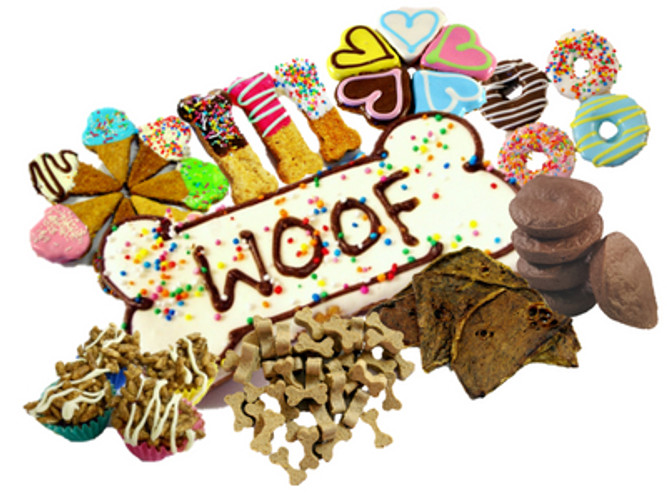
- Hand-decorated and themed celebration treats remain a strong category, supported by social-media-driven photo culture.
Australian pet ownership keeps deepening. Owners now budget for their pets the way they budget for family members, and the way they shop for treats has shifted accordingly. Generic supermarket-brand options that dominated a decade ago are giving ground to single-source, transparently labelled, condition-aware alternatives.
This piece is what we observe day-to-day, working with pet owners, breeders, vet clinics, and trainers across the country. It's not a market research report. It's a manufacturer's view of where Australian pet treat buying is heading. Browse the dog range, horse range, cat range, or small pet range if you'd like to see the products that sit behind the trends below.
Five Shifts Reshaping the Australian Pet Treat Market
1. Single-Protein, Named-Source Treats Are the New Default
A decade ago, "treats" usually meant a multi-ingredient soft biscuit with a generic flavour profile. In 2026, the average Aussie buyer expects a clear, single-source named protein on the front of the pack. Kangaroo, lamb, chicken, beef, fish, goat, venison, and duck all have established demand as standalone categories, not as ingredients in a mixed product. Browse single-protein kangaroo treats as one example of the format that's now expected.
2. Plant Protein Is No Longer Niche
Vegetable-based and insect-protein treats have crossed into mainstream demand. They appeal to owners managing weight, owners whose pets have sensitivities to common animal proteins, and owners who simply want more variety in their dog's daily rewards. Insect protein in particular has shifted from "novelty" to "credible mainstream alternative" because of its hypoallergenic profile and significantly lower environmental footprint than traditional meat. Browse plant and insect protein options.
3. Functional and Condition-Aware Treats Are the Fastest-Growing Segment
Pet owners increasingly want their treats to do more than reward. Functional formats (turmeric for inflammation, green-lipped mussel for joint support, sugar-free for metabolic conditions, dental shapes for plaque control) are no longer specialty add-ons. They're mainstream choices. Owners of senior pets, in particular, view treats as part of an overall wellness strategy rather than indulgence. Sugar-free horse treats and dental chews are two of the clearest examples of this shift.
4. Australian-Made Has Become a Decision Driver
Country-of-origin used to be a tiebreaker. In 2026, it's frequently the deciding factor. Australian buyers reference shorter supply chains, known animal welfare standards, fresher product, and traceability of ingredients as the reasons. Treats made overseas with vague ingredient labelling face a meaningful disadvantage in mid-to-premium segments, regardless of price.
5. Hand-Decorated and Themed Treats Are Holding Strong
Despite the rise of functional and minimalist formats, hand-decorated themed treats (birthday cakes, holiday cookies, novelty doughnuts, themed gift boxes) continue to drive significant interest. The strong link to social-media-driven pet content keeps demand resilient year after year. Aussie owners want occasion-worthy treats for birthdays, gotcha days, and seasonal celebrations, and the category shows no signs of slowing. Browse the bakery range.
What These Shifts Mean for Australian Pet Owners
The practical takeaway for buyers is that you have far more, and far better, options than you did even five years ago. If you have a dog with sensitivities, there's a credible single-protein or insect-protein option for you. If your dog or horse has a metabolic condition, sugar-free or condition-aware treats are no longer obscure. If you want hand-decorated celebration treats made in Australia from premium ingredients, multiple producers now compete for the segment.
For owners new to the category, the rough hierarchy of priorities most experienced buyers now use is:
- Country of origin. Aussie-made, where possible.
- Named primary protein (or named primary ingredient for plant-based options).
- Format match to pet life stage and condition. Soft for puppies and seniors, durable chews for confident chewers, functional for managed conditions.
- No artificial colours, preservatives, or fillers.
- Brand transparency and longevity. Long-running Australian producers tend to have better consistency than short-lived white-label brands.
What These Shifts Mean for the Australian Pet Industry
From a manufacturer's perspective, the trends point in one consistent direction: ingredient transparency and condition-aware formulation are no longer differentiators. They're the entry-level expectation. Brands that don't meet these standards face shrinking shelf space and shrinking online conversion. Producers that combine transparency, functional benefits, and Australian-made integrity have meaningful tailwinds.
The Pet Food Industry Association of Australia (PFIAA) tracks broader industry metrics and product safety standards, and their published guidance increasingly reflects these same shifts toward transparency and welfare-led production.
Frequently Asked Questions
What are the biggest changes in Australian pet treats in 2026?
The biggest shifts are toward single-protein named-source treats, growing acceptance of plant-based and insect-protein options, fast growth in functional and condition-aware treats (sugar-free, joint support, dental), and Australian-made becoming a major buying decision factor. Hand-decorated themed treats also remain a strong, resilient category supported by social-media culture.
Are vegetarian dog treats becoming popular in Australia?
Yes. Plant-based and vegetable-protein treats have moved from niche to mainstream choices for many Aussie dog owners. They appeal particularly to owners of dogs on weight management, dogs with sensitivities to common animal proteins, and owners who want more variety in their dog's daily rewards.
Why is kangaroo such a popular protein for Australian dog treats?
Kangaroo is naturally lean (under 6% fat), naturally hypoallergenic for most dogs, and a true novel protein for almost all Australian dogs. It's also Australian-sourced, which aligns with the broader trend toward known-origin ingredients. The combination makes it especially well-suited to training treats, weight-managed dogs, and dogs with sensitivities to common proteins.
Are sugar-free horse treats really safer than traditional sweet treats?
For horses with metabolic conditions like equine Cushing's (PPID), insulin resistance, or a history of laminitis, sugar-free horse treats are recommended by veterinarians and equine nutritionists. Sugar-free formulations replace molasses with vegetable-based flavours like beetroot, carrot, and apple. Always check with your vet about appropriate treat quantities for horses with metabolic conditions.
What should I look for on a quality Australian pet treat label?
Look for: country of manufacture clearly stated as Australian, named primary protein or ingredient (chicken, kangaroo, lamb, etc., not "meat meal"), no artificial colours, no artificial preservatives, minimal fillers, and a clear best-before date. Long-established Australian producers tend to have more consistent quality than short-lived white-label brands.
Where can I buy Australian-made pet treats?
Australian-made pet treats are available directly from manufacturers (often online), through independent pet retailers, vet clinics, and a growing number of supermarket pet sections. Buying directly from a long-established Australian manufacturer typically gets you the freshest product and the clearest ingredient transparency. Browse the full dog range, horse range, cat range, or small pet range.
About These Observations
This piece reflects observations from Huds and Toke's day-to-day work with Australian pet owners, vet clinics, breeders, and trainers. It is not a quantitative market research report. It's a manufacturer's qualitative read on where pet treat buying is heading. We've been hand-formulating pet treats on the Sunshine Coast since 2012 and have a long view across category and consumer shifts.
If you'd like to discuss these trends or quote any of these observations in your own reporting, please get in touch via the contact page for attribution and context.
About Huds and Toke. Founded on the Sunshine Coast in 2012, Huds and Toke is one of Australia's longest-running independent pet treat brands. We hand-decorate dog cakes and cookies, slow-dehydrate single-protein meaty treats, and formulate functional horse treats from a small-batch facility in Coolum Beach, Queensland. Our treats are used by pet owners, breeders, vet clinics, and dog trainers across Australia, and we are proud long-term supporters of the USC Koala Detection Dogs program at the University of the Sunshine Coast. Read more on the Huds and Toke Wikipedia page or visit our contact page.
Related ranges: Dog Treats.