Cavoodle Treats Australia: The 40-Calorie Rule (Vet-Cited 2026)
Posted by The Huds and Toke Team on 23rd May 2026
Almost every supermarket treat with a doodle on the packet contains the single most common food allergen for Cavoodles, chicken. The packaging is built for the breed. The recipe is built against it. After three years of reading the back of every doodle-branded treat sold in Australia, we'd argue most Cavoodle owners are unknowingly feeding the one ingredient their breed is most likely to react to.
Skip to the answer: how many treats per day →
This guide is the long, plain-English answer we wish every new Cavoodle owner had on day one. It covers calories (a 7kg adult has just 40 a day for treats), the four breed-cluster risks worth knowing, life-stage strategy, label-reading, the nine other oodle breeds, and the foods that quietly send Cavoodles to the emergency vet every Boxing Day. Every number, every quote, every clinical claim has been cross-checked against its source.
The headline findings, in 30 seconds
- A 7kg adult Cavoodle has roughly 36 to 45 calories a day to spend on treats. That's about two small dental chews, or three to four pea-sized training rewards. One supermarket "doodle biscuit" can blow the entire daily budget. (WSAVA Global Nutrition Committee)
- 41% of Australian dogs are overweight or obese, and a Hill's Pet Nutrition survey suggests around 90% of owners do not realise their pet is carrying too much. (McGreevy et al., Veterinary Record 2005; Hill's via Dogster)
- Chicken and beef sit near the top of the list of most commonly reported food allergens in dogs, yet most supermarket doodle treats list chicken first. Kangaroo, lamb and turkey are the smarter single-protein swaps. (Mueller. Olivry & Prélaud. BMC Veterinary Research 2016)
- Cavoodles inherit a pancreatitis risk from their Cavalier line. High-fat snacks like Christmas ham and pork crackling can worsen flare-ups in already-sensitive dogs. (Cavalier Health Foundation, peer-reviewed UK data)
- Cavoodles top Pet Insurance Australia's 2025 breed rankings, ranked #1 in five of the six states and territories that PIA reports on. (Pet Insurance Australia, 2025)
The 7 rules for treating a Cavoodle
- Treats stay under 10% of daily calories. The other 90% belongs to a balanced main meal.
- First ingredient is a named single animal protein. Not "meat meal", not "chicken by-product".
- Default to novel proteins. Kangaroo, lamb, turkey or emu. Skip chicken unless you have already ruled out allergy.
- Soft snaps in half cleanly. Cavoodle mouths are spaniel-soft and often underbite-prone.
- Pieces stay pea-sized for training. A Cavoodle does not know the difference between a whole treat and a quarter of one.
- Fatty human foods are a no. Christmas ham, pork crackling, bacon, gravy. All Cavalier-line pancreatitis triggers.
- Weigh fortnightly. A 200g creep on a 7kg dog is the equivalent of a healthy adult gaining 2kg.
In this article
- Why Cavoodles need a different approach
- The four treat-related risks every owner should know
- The 10% rule, in real numbers
- Why doodle-branded treats probably have the wrong protein
- The best treat types for a Cavoodle
- Treats by life stage
- The nine other oodle breeds
- Reading an Australian dog treat label
- Treats to avoid completely
- Frequently asked questions
- Australian pet health resources
- Sources and references
Why Cavoodles need a different approach to treats
Doodle owners often assume any treat with a doodle on the packet is safe for their dog. The reality is that crossbred dogs inherit very specific risks from each parent line, and treat strategy should reflect that, not the marketing on the front of the bag.
The Huds and Toke Editorial Team. Want second opinions? See the Vets Love Pets oodle breed guide and Greencross Vets Cavoodle owner's guide for clinician-led overviews.
The Cavoodle (called a Cavapoo in most of the world) is not just another small dog. She is a cross between a Cavalier King Charles Spaniel and a Toy or Miniature Poodle, first recorded in Australia in the 1990s, and that mix carries a very specific set of treat-related quirks.
You're juggling a soft, underbite-prone Cavalier mouth that bruises on hard biscuits. You're feeding a small frame (most adults weigh 5 to 12 kg) that gains weight faster than a Lab ever would. And you've got Poodle ancestry on board, which brings food sensitivities and a brain that learns the treat-cupboard squeak in three days. Get the treat strategy right and you've got a slim, biddable companion for 12 to 15 years.

The breed's quiet superpowers (and weaknesses)
Cavoodles top breed-popularity charts for the same reasons they're vulnerable. They are extraordinarily food-motivated, which makes them dream students at puppy school but also walking calorie sponges. They bond deeply to their humans, which helps separation training but means anxious eating when you leave for work. Their low-shedding Poodle coats are gentle on allergy-sensitive families, yet those same Poodle genes are the ones most likely to react to common protein allergens.
Why Cavoodle ancestry matters at the treat jar
Cavaliers bring three relevant inheritances: a predisposition to mitral valve disease (more than 50% affected by age five per the Cavalier Health Foundation), elevated chronic pancreatitis risk, and the soft "spaniel mouth" that bruises on tough biscuits. Poodles bring atopic skin disease, food sensitivities, and patellar luxation in toy and miniature sizes. None of that means your Cavoodle is fragile. It means the snacks you choose actually matter.
The 4 treat-related risks every Cavoodle owner should know
If you remember nothing else from this article, remember these four. Each of them maps directly to a treat decision you'll make this week.
1. Weight gain (and why 41% of Aussie dogs are already overweight)
The single biggest threat to your Cavoodle is, statistically, her own dinner bowl. A landmark study by McGreevy and colleagues, published in Veterinary Record in 2005, surveyed 2,661 Australian dogs and found 33.5% were overweight and 7.6% clinically obese. Twenty years on, that combined 41% figure is still cited by VetVoice, the Pet Food Industry Association of Australia, and most modern Aussie vet practices.
The kicker, from a Hill's Pet Nutrition survey reported in Dogster, is that around 90% of Australian pet owners may not realise their dog is carrying too much. You see her every day. The creep is invisible. Cavoodles are at particular risk because they inherited Cavalier "food-is-love" energy and Poodle smarts (perfect for charming you out of one more biscuit). A 12-kilo Cavoodle who is actually a healthy 9-kilo Cavoodle is carrying the human equivalent of an extra 20 kilos.
Vet-tested tip
Weigh fortnightly, not annually. A 200g creep on a 7kg Cavoodle is the equivalent of a healthy adult quietly gaining 2kg. The kitchen scales catch it months before the body-condition score does. Same scales, same time of day, same week of the month.
2. Pancreatitis (Cavalier inheritance + the Christmas ham warning)
Chronic pancreatitis is unusually common in Cavalier King Charles Spaniels. One UK post-mortem study found pancreatic inflammation in all six Cavaliers in its CKCS subset, and Cavaliers as a breed carry a relative risk roughly four times that of the general dog population.
Summarised from Watson et al., via the Cavalier Health Foundation review of UK veterinary pathology data. Source.
The critical nuance most blogs get wrong: there is no published evidence that high-fat diets cause pancreatitis in healthy dogs. What the evidence does show is that, in dogs who already have pancreatic sensitivity (which can be silent for years in Cavalier-lineage dogs), high-fat foods may worsen flare-ups. That's why every Aussie vet sighs when the Boxing Day ham scraps go under the table. The simple rule: treat fatty human foods (ham, pork crackling, lamb-roast skin, bacon, butter, gravy) as no-go items. Keep treat fat percentages reasonable and lean toward single-protein options like kangaroo and turkey.
3. Food allergies (and why chicken and beef sit at the top of the suspect list)
This is the section every Cavoodle owner needs to read twice, because it goes against what's printed on most supermarket "doodle" treat packets. A peer-reviewed systematic review by Mueller. Olivry and Prélaud (BMC Veterinary Research, 2016) found that a small group of proteins, led by beef, dairy, chicken and wheat, accounts for the overwhelming majority of reported food allergies in dogs. Poodle-cross breeds, including Cavoodles, present at vet clinics with itchy ears, paw-licking, hot spots and recurrent gut upsets more often than the average dog. Many of these cases improve dramatically on an elimination diet that swaps one of those high-prevalence proteins (typically chicken or beef) out.
3 signs to watch for
Is your Cavoodle reacting to her treats?
Sign 1. Itchy ears and head-shaking
The most common chicken-allergy presentation in Poodle-cross breeds. If your Cavoodle scratches her ears more than once a day, or you smell yeast when you lift the ear flap, food is a sensible first suspect.
Sign 2. Paw-licking and brown saliva staining between the toes
Often dismissed as a habit, often actually food-driven. The brown staining is dried saliva from constant licking. It is one of the earliest signals of low-grade food sensitivity.
Sign 3. Soft stools or gut upsets within 24 hours of a new treat
Your dog is telling you. Believe her. The fastest diagnostic move is a strict elimination diet for two to four weeks with a single novel-protein treat.
That doesn't mean every Cavoodle will react to chicken. It means that if you have an itchy, ear-infection-prone, soft-stool Cavoodle, chicken (or beef, the other high-prevalence protein) is a sensible first suspect, and chicken-based treats are the easiest single variable to control. Kangaroo meat, lamb, turkey and emu are excellent novel-protein alternatives. They're leaner than most chicken treats and sit far down the allergen-prevalence list. Our kangaroo dog treats range is built around this exact swap.
4. Joint stress (small frames, big bouncy energy)
Toy and miniature Poodles are among the breeds most predisposed to patellar luxation (the kneecap slipping out of its groove), per Greencross Vets and broader Australian veterinary literature. Cavaliers contribute hip and elbow looseness in some lines. Add the typical Cavoodle's love of leaping off the couch and skidding across polished floorboards, and you have a recipe for joint wear that shows up around age six or seven. Functional treats containing omega-3, turmeric and hemp seed may support joint and coat health when paired with vet-prescribed care. They're not a cure for orthopaedic issues. Think of them as the way you eat blueberries: useful, not magical.
How many treats can I give my Cavoodle? The 10% rule, explained
This is the single most important paragraph in the article, so we're going to keep it simple. The rule, repeated by Greencross Vets. VCA Hospitals and basically every responsible veterinary nutritionist on the planet: treats should make up no more than 10% of your dog's total daily calories. The other 90% should come from a complete and balanced main meal.
Daily calorie budget, visualised
In plain English: If your 7kg adult Cavoodle eats about 400 kcal a day, only around 40 of those can come from treats. That is two small dental chews, or four pea-sized training rewards, or one supermarket biscuit (which then leaves zero room for anything else). Everything else has to come from her balanced main meal.
~40
Calories per day available for treats in an average 7kg adult Cavoodle. That's about two small dental chews, or three to four pea-sized training rewards.
Calorie maths by Cavoodle weight
The WSAVA Global Nutrition Committee publishes the standard veterinary formula: an active adult dog needs about 130 × body weight in kg ^ 0.75 kilocalories per day. A less active or desexed adult lands closer to 95 × body weight in kg ^ 0.75. Here's what that looks like in practice for Australian Cavoodle sizes. (For owners who want a deeper visual reference, the canine body condition score 1-to-9 chart is the standard veterinary tool for spotting a creep.)
Tap your Cavoodle's weight
A 5 kg toy Cavoodle gets 28 to 35 kcal a day for treats. About one small dental chew, or three pea-sized training rewards.
A 7 kg typical mini Cavoodle gets 36 to 45 kcal a day for treats. About two small dental chews, or four pea-sized training rewards.
A 10 kg larger mini gets 47 to 59 kcal a day for treats. About two or three small dental chews, or six pea-sized training rewards.
A 12 kg toward-standard Cavoodle gets 54 to 68 kcal a day for treats. About three small dental chews, or seven pea-sized training rewards.
Active adults (130 × BW^0.75); reduce by 25% for desexed or less active dogs. Formula source: WSAVA Global Nutrition Committee, 2020.
| Cavoodle weight | Total daily calories | 10% treat budget |
|---|---|---|
| 5 kg (toy adult) | 280 to 351 kcal | 28 to 35 kcal |
| 7 kg (typical mini) | 360 to 452 kcal | 36 to 45 kcal |
| 10 kg (large mini) | 470 to 590 kcal | 47 to 59 kcal |
| 12 kg (toward standard) | 540 to 677 kcal | 54 to 68 kcal |
What 40 calories actually looks like in real treats
Here is the rough Aussie cheat sheet:
- One small dental stick (toy and small-breed size) sits around 20 to 30 kcal. Two is your whole daily budget.
- One pea-sized training treat (a chickpea-sized morsel of air-dried meat) is roughly 4 to 6 kcal. You can comfortably reward six to eight times a day inside the budget.
- A standard supermarket doodle biscuit weighs about 8 to 10 grams and lands around 35 to 45 kcal. One biscuit is the whole day.
- A teaspoon of peanut butter (vet-safe, xylitol-free) is roughly 32 kcal.
- A 1 cm cube of cheese is roughly 18 kcal, plus salt and fat that can sit poorly with Cavoodles long-term.
Trainer tip
Break treats in half, then in half again. A Cavoodle does not know the difference between a whole treat and a quarter of one. She is responding to the magic of "you marked the behaviour and gave me food", not to portion size. A single soft kangaroo bite split four ways gives you four training reps for the calorie cost of one.
Why every doodle-branded treat probably contains the wrong protein for your dog
This is the wedge that, once you see it, you cannot unsee. Walk into any large Australian supermarket and look at the treat aisle. Count the bags with a cartoon doodle on the front. Then flip three of them over and read the first ingredient. You will almost certainly find chicken. Sometimes "chicken meal". Sometimes "chicken by-product". Almost always chicken in some form.
Now overlay what the peer-reviewed veterinary literature actually says. The Mueller. Olivry and Prélaud 2016 systematic review (BMC Veterinary Research) puts a small group of proteins, led by beef, dairy, chicken and wheat, well ahead of every other reported food allergen in dogs. Poodle-cross breeds present with itchy ears, paw-licking, hot spots and gut upsets at higher rates than the average dog, and food sensitivity is one of the most common drivers. Two of the four top-ranked allergens (chicken and wheat) sit right there on the front and back of nearly every breed-branded biscuit on the supermarket shelf.
Single-protein kangaroo training treat
Typical panel: kangaroo (95%), tapioca, rosemary extract.
Novel protein well outside the chicken-beef-dairy-wheat allergen cluster. Under 2% fat. Lean, easy on a pancreatitis-prone gut, and easy to read aloud in one breath.
Supermarket "doodle biscuit"
Typical panel: wheat flour, chicken meal, vegetable oil, salt, sugar, preservative.
Chicken plus wheat, two of the four highest-prevalence canine food allergens per the Mueller 2016 systematic review. A 9g biscuit can hit 35 to 45 kcal, blowing the entire daily treat budget in one snack.
None of this is conspiracy. It is just lazy product design. Chicken is the cheapest commercial protein, wheat is the cheapest filler, and the doodle on the front of the packet does the rest of the work. The fix is straightforward: when you pick up a treat for your Cavoodle, ignore the dog on the front and read the back. If chicken is the first protein, put it down. There are kangaroo, lamb, turkey and emu options on the same shelf, and they are almost always the smarter pick for a Cavoodle.
The best treat types for a Cavoodle
Five treat categories cover almost every Cavoodle situation, from puppy training to senior coat care.
Soft, breakable treats for sensitive mouths
Cavoodles inherit the spaniel soft mouth. Many adults have a slight underbite from the Cavalier line, and toy-sized variants can have crowded dentition. Hard biscuits are uncomfortable for many of them, and a frustrated puppy will simply give up on a treat she can't snap. Look for treats you can break cleanly between your fingers. That breakability is also what makes them ideal for training: you can split one Huds and Toke soft, gentle-on-teeth treat into four rewards instead of one.
Single-protein treats (and why kangaroo beats chicken)
This is the wedge most Cavoodle owners miss. Because chicken is the most commonly reported allergen in dogs, and because Poodle-cross breeds disproportionately develop food sensitivities, single-protein treats made from a novel protein are the smartest first choice. Kangaroo is the standout in Australia: it's lean (typically under 2% fat), high in iron and B12, and sits well outside the chicken-beef-dairy-wheat cluster that triggers most allergic reactions. Other excellent novel-protein options include lamb, turkey, salmon and emu. The label test is simple: the first ingredient should be the actual protein (not "meat meal" or "chicken by-product"), and the ingredients list should be short enough to read out loud in one breath.
Made for small mouths and sensitive Cavoodle tummies
Our hypoallergenic kangaroo micro bones that snap in half for small Cavoodle jaws are single-protein, Australian-made, and sized for pea-sized training rewards. No chicken, no wheat, no fillers. Designed for the breed-cluster issues we cover in this guide (not as a cure for any condition; this is everyday smart snacking).
See the kangaroo micro bonesGrain-free options for sensitive tummies
Grain-free treats are also worth a look for variety. Browse our natural meat dog treats range for single-ingredient air-dried options and the dog bakery range for soft oven-baked treats with the breakable texture Cavoodles need.
Grain-free treats exclude wheat, corn, rice and oats, and they're useful for the subset of Cavoodles with grain sensitivities or chronic soft stools. A worthwhile note: a 2018 to 2019 US FDA investigation explored a possible link between certain grain-free diets and dilated cardiomyopathy, but that work focused on legume-heavy diets in some large breeds, did not establish causation, and has not changed Australian veterinary consensus on grain-free treats for small dogs in moderation. For Cavoodles, grain-free is a sensible swap if you're also doing an elimination diet. If your dog is well on grain-containing treats, don't feel obligated to switch. A solid Aussie option is Huds and Toke grain-free treats made without wheat, corn or rice fillers.
Training-sized treats that won't blow the calorie budget
Cavoodles learn fast, and the average puppy school class hands out 20 to 40 rewards in a 45-minute session. If you're using regular dog biscuits, that's a full day's calories before you've even gone home. The fix: treats sized between a pea and a chickpea, calorie-light (under 5 kcal per piece), high-value enough that your dog snaps to attention. For deeper detail, we wrote our deep dive on training treats specifically.
Functional treats: hemp, turmeric, omega-3 for coat and joints
The "everyday vitamin" of the treat world. Functional treats blend the reward with ingredients linked in research to coat condition, anti-inflammatory support and joint comfort. Hemp seed brings omega-3 and omega-6 in a useful ratio. Turmeric has been investigated for low-grade inflammation. Salmon and fish oils support skin and coat. These aren't medicines. They can't substitute for a vet visit if your Cavoodle is limping, biting at her paws, or showing flaky skin. But as a daily routine addition, a treat like hemp and turmeric cookies for skin, coat and joint support is a reasonable way to fold supportive nutrition into a moment your dog already loves. For Cavoodles with chicken sensitivity, the full hemp seed dog treats range and the insect-protein dog treats range are both novel-protein options worth trialling. For low-calorie days, vegetable-based dog treats let you reward without spending the calorie budget.
Dental tip
Dental chews twice a week, not daily. A small-breed dental stick can hit 30 kcal on its own. Two a week alongside a soft brushing routine is plenty for the Cavoodle's tiny, often-crowded mouth. Daily dental chews are how a 7kg Cavoodle quietly becomes a 9kg Cavoodle. (Browse our dog dental chews range for small-breed-friendly options.)
Cavoodle treats by life stage: puppy, adult, mature and senior
What works at six months will not be the right approach at six years, and definitely not at twelve. Here is how to think about treat strategy across your Cavoodle's life, stage by stage.
Tiny, soft, single-protein, one new variety at a time
A 2kg eight-week-old Cavoodle needs around 150 to 200 kcal a day total, so the 10% treat budget is just 15 to 20 calories. Break training treats down to rice-grain size. Avoid hard chews, deer antlers, and bone splinters until adult teeth are fully through (around six months). Introduce new treat varieties one at a time so you can spot any reaction.
H&T match: Puppy-sized training treats for Cavoodles under 12 months.
The maintenance phase, where most weight creeps in
The breed's food drive does not fade with age. Activity often does, especially after desexing. Check the ribs weekly: you should feel them with light pressure, like the back of your knuckles. Build a rotation, not a staple. Vary the protein every couple of weeks (kangaroo, then turkey, then lamb), and reserve functional treats for two or three days a week, not daily.
H&T match: Australian-made training-treat range.
First joint complaints, first dental losses
Cavoodles age gently, and most are still bouncing at ten. This is the window where joint stiffness shows up and tooth loss starts. Soften the treat profile (no enamel-cracking biscuits), add omega-3 and hemp-based functional snacks two or three times a week, and have a candid conversation with your vet about a baseline cardiac and joint check.
H&T match: Hemp + turmeric cookies for joint and coat support.
Low-fat, low-salt, soft, and rotation-friendly
Senior bodies process fat and salt less efficiently, and the cardiac inheritance from the Cavalier line makes low-sodium snacks non-negotiable. Skip bone-broth chews if she is on cardiac medication. Many senior Cavoodles lose teeth, so soft treats are not optional. A sudden refusal of a favourite treat is worth a vet phone call: it is often the earliest sign that something needs attention.
H&T match: Lean low-fat treats for weight-conscious training.
The 9 other oodle breeds: a quick treat guide for each
Cavoodles are the headline act, but Australia loves doodles broadly. There are at least ten common oodle breeds on the registers right now, each with its own quirks. The cards below cover the nine others. Click into any of them and you will see the breed-specific treat priorities that matter most.
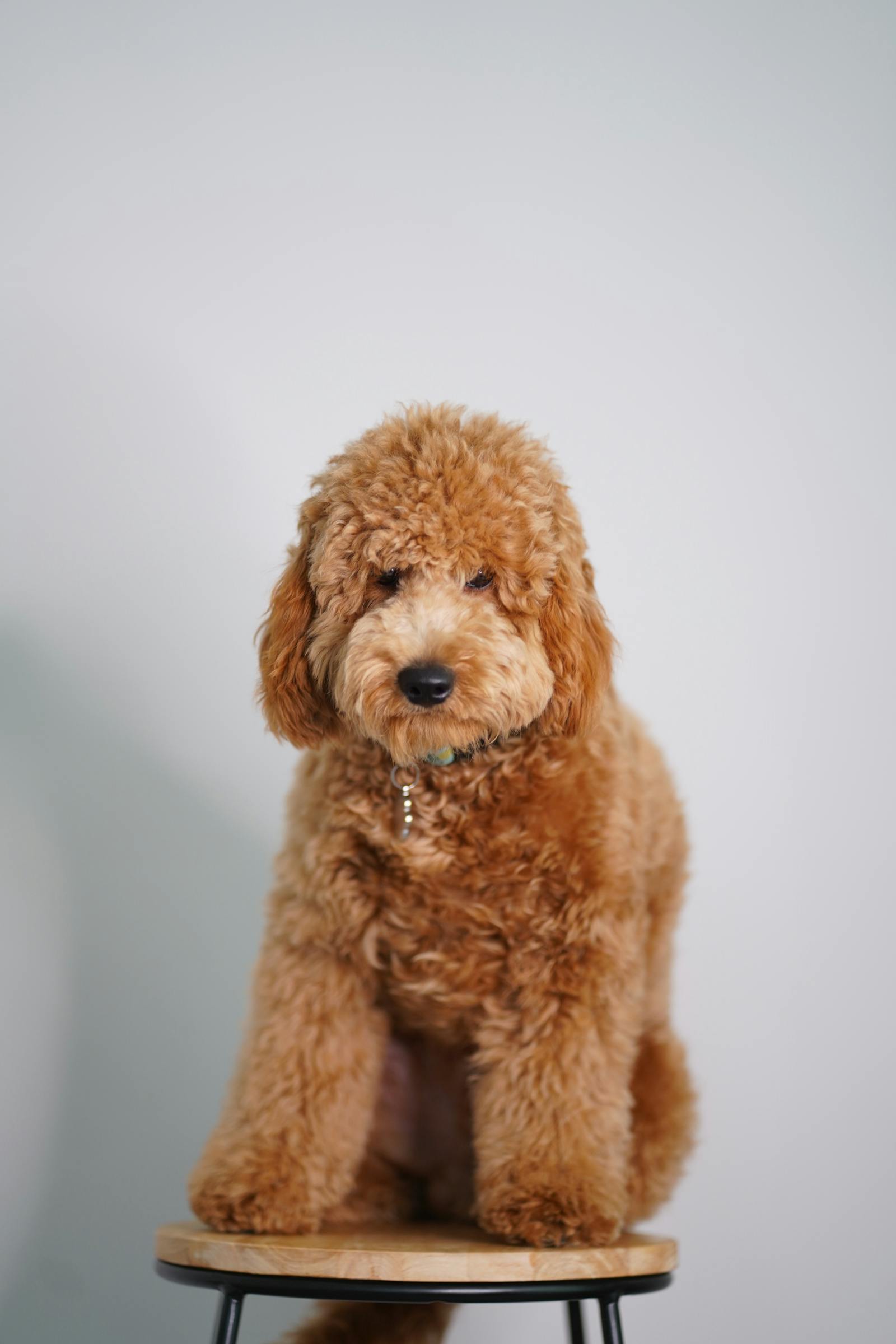
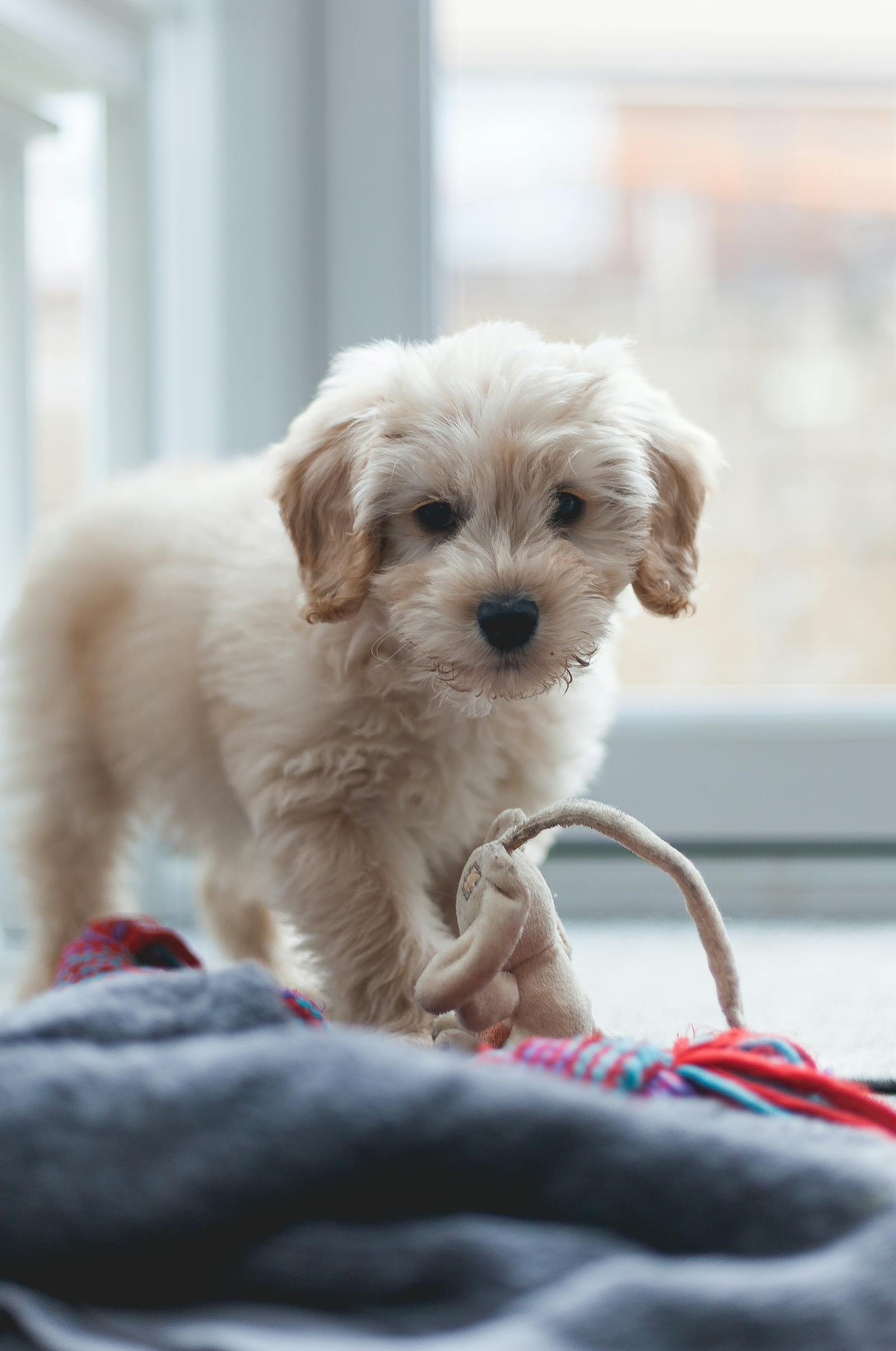
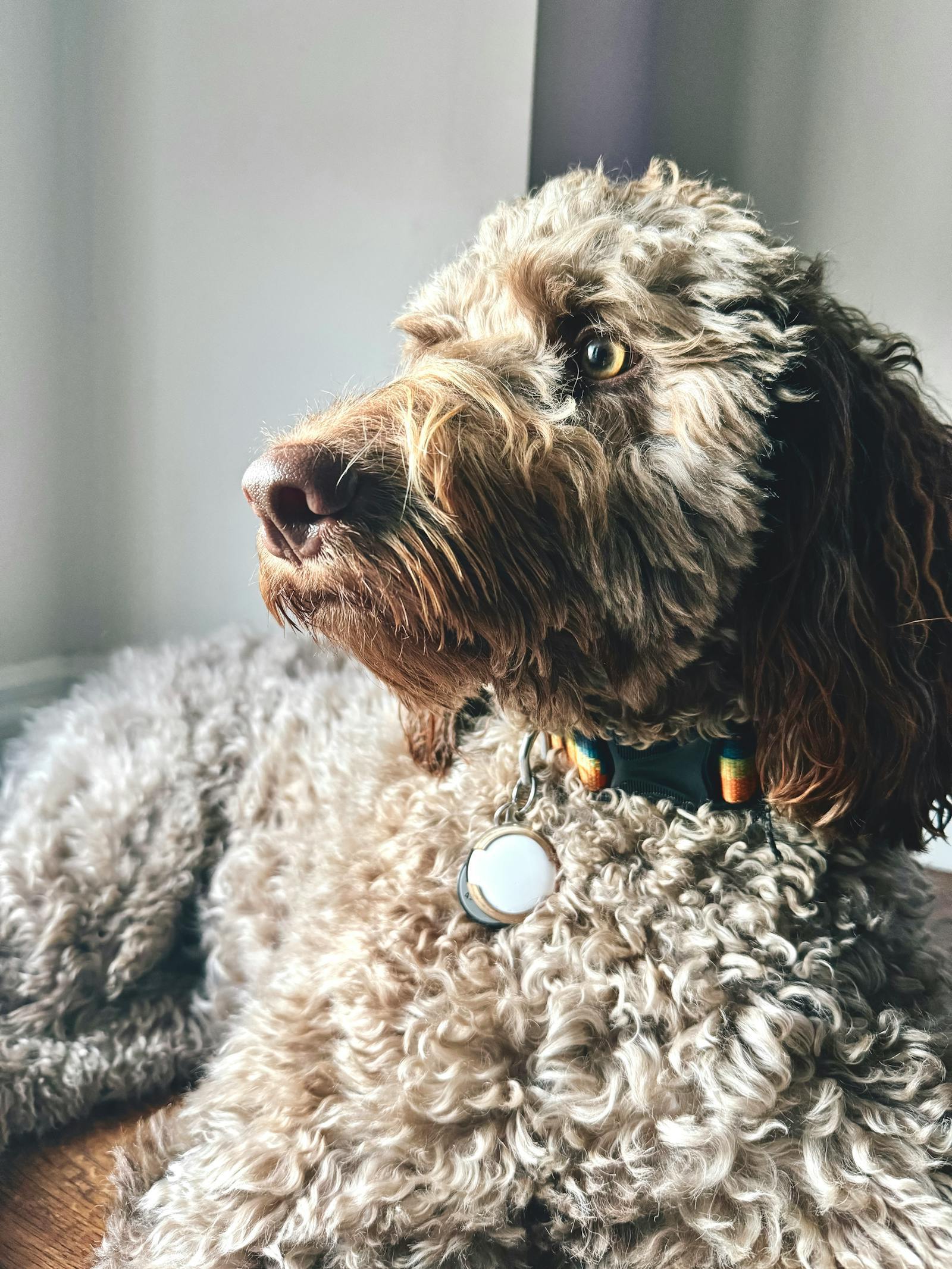
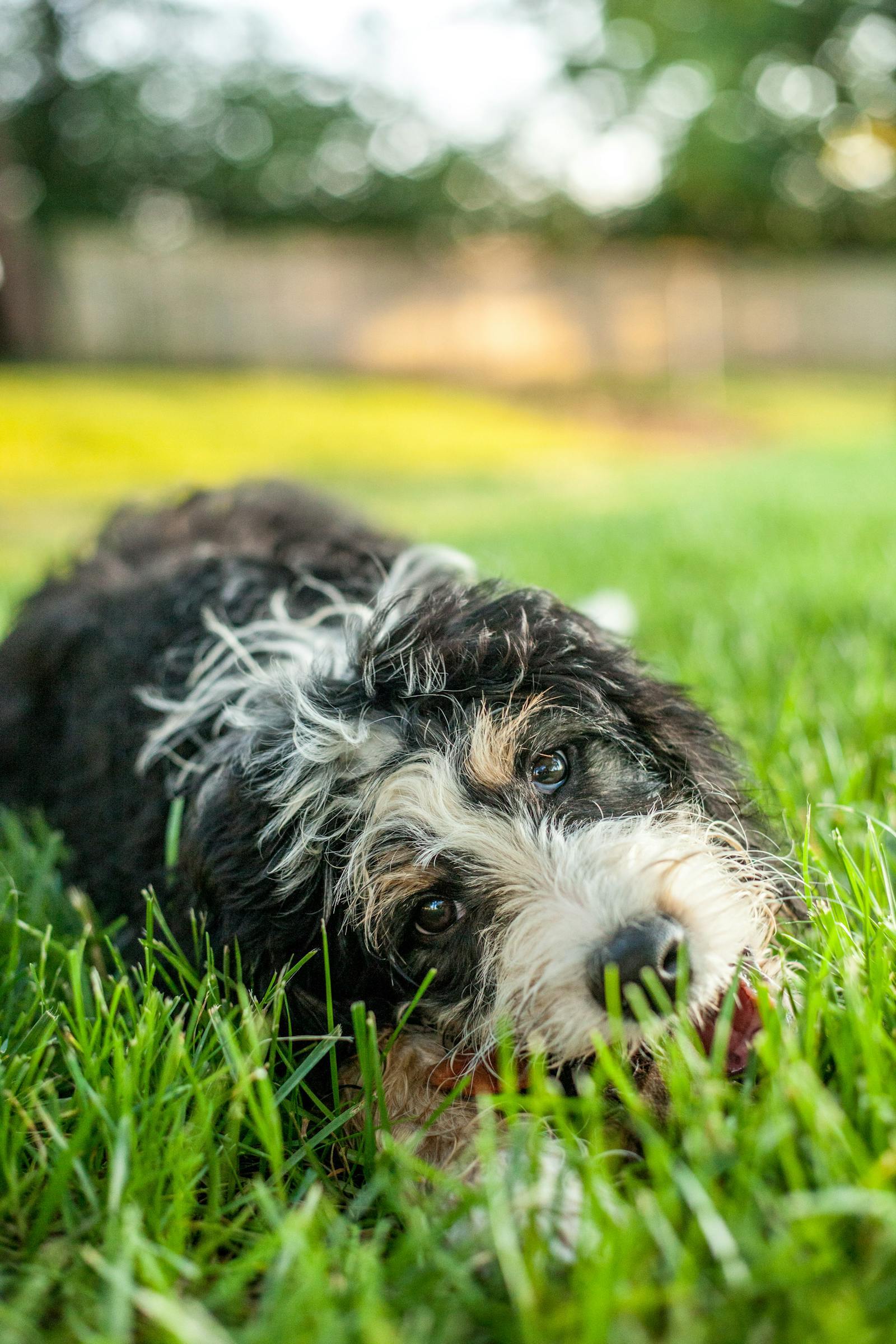

Bonus mention: the Poochon (Bichon × Poodle, 3 to 7 kg) was developed in Australia in the 1990s alongside the Cavoodle. Same small frame, same calorie-tight treat budget.
"Cavoodles may be Australia's sweethearts, but too many are bred without regard for health or ethics."
Monica Limanto. Founder. Petsy (Australian pet insurer). Source.
How to read an Australian dog treat label
You'll find more confusing front-of-pack messaging in the dog treat aisle than almost any other category in the supermarket. Here's the short guide to seeing through it.
What "single-protein" actually means
It means the treat contains one named animal protein source (for example kangaroo, lamb, or turkey) and no others. Critically, "single-protein" is not a regulator-defined term in Australia. You need to flip the packet and read. If you see "kangaroo, chicken meal, beef fat", that's not single-protein. If you see "kangaroo, tapioca, rosemary extract", you're good.
What "grain-free" actually means (and the DCM context briefly)
Grain-free means no wheat, corn, rice, oats or barley. It doesn't mean low-carbohydrate (many grain-free treats use legumes or potatoes). The 2018 to 2019 FDA investigation into possible DCM links involved legume-heavy main meals in larger breeds and didn't yield clear causation; Australian veterinary consensus is that grain-free treats in moderation remain a reasonable choice for small dogs.
Reading the protein and fat percentages
By the voluntary AS 5812:2023 Australian Standard for Manufacturing and Marketing of Pet Food, treats sold in Australia should display a "guaranteed analysis" showing minimum protein and fat percentages. For a Cavoodle, sensible ranges are protein 25% or higher and fat 15% or lower. Lower fat is particularly important for the pancreatitis-sensitive Cavalier line.
Who actually regulates Australian pet treats
The voluntary AS 5812 standard sets the labelling and manufacturing best practice. The Pet Food Industry Association of Australia (PFIAA) administers member compliance. Two regulators sit above that: the APVMA handles therapeutic-style claims, and the ACCC handles misleading-claims complaints. The practical upshot: terms like "natural", "grain-free" and "premium" are marketing terms in Australia, not regulator-defined claims. Let the actual ingredients list do the talking.
5-question screen
Is this treat right for my Cavoodle?
1. Is the first ingredient a named single animal protein (not "meat meal" or a by-product)?
2. Can you read the full ingredients list out loud in one breath?
3. Is the protein a novel one for your Cavoodle (kangaroo, lamb, turkey, emu, fish) rather than chicken or beef?
4. Is the fat percentage 15% or lower? (Pancreatitis matters in the Cavalier line.)
5. Can you snap one piece down to pea size with your fingers (so a 30-rep training session does not blow the calorie budget)?
Verdict: Five "yes" answers means it is a Cavoodle-smart treat. Any "no" deserves a second look before it goes in the trolley.
Treats to AVOID giving your Cavoodle
These are the items vets see in emergency consults week in, week out. Some are obvious. Some are everyday foods you'd never associate with risk. All of them belong on the no-go list for your Cavoodle.
No-go list
Foods that belong in the bin, not the treat jar
Sweetener in some peanut butters, sugar-free gum, lollies, baked goods. Even tiny doses cause life-threatening hypoglycaemia. Always read the label.
Grapes & sultanas
Mechanism still unclear. A handful can cause acute kidney failure. No safe dose has been established.
Theobromine is toxic. The smaller the dog, the smaller the risky dose. A 7kg Cavoodle is in trouble fast.
Onion & garlic
Raw or cooked. Toxic to red blood cells. Includes onion powder in human snacks, stocks and gravies.
Cause weakness, tremors and hyperthermia in dogs. Other nuts are also poor choices (fat and choking risk).
Cooked bones
Especially chicken and pork. Splinter and perforate. Raw meaty bones are a separate debate; cooked bones are universally avoided.
Raw bread dough
The yeasted kind. Continues to rise in the stomach and produces ethanol. A genuine emergency.
Christmas ham & bacon
Pork crackling, fatty roast scraps, gravy. The classic Boxing Day pancreatitis triggers for the Cavalier line.
Coffee & caffeine
Grounds, tea bags, caffeine drinks. Stimulant toxicity. Keep the morning brew out of nose-poke range.
Avocado pits & skin
The flesh is usually tolerated, but pits cause obstruction and the skin contains persin.
Frequently asked questions
Tap any question to expand the answer.
How many treats can I give my Cavoodle a day without making them overweight?
For a 7kg adult Cavoodle, aim for no more than 36 to 45 calories from treats per day. That's roughly two small dental chews, three to four pea-sized training rewards, or one small commercial biscuit. Adjust for body weight using the 10% rule. If you train heavily, reduce the dinner portion by the same number of calories.
What's the best treat for a Cavoodle puppy under 6 months? (Cavoodle puppy treats)
Soft, single-protein cavoodle puppy treats broken into rice-grain-sized pieces are the gold standard. Kangaroo, turkey or lamb are the safest novel-protein bets. Avoid hard biscuits and chews that could crack baby teeth. Introduce one new treat variety at a time so you can spot any tummy upset.
Are dental chews safe for a Cavoodle's small jaw?
Yes, as long as they're the small or toy-breed size. Standard dental sticks designed for medium and large dogs are uncomfortable for most Cavoodles and a choking risk for toy variants. Look for the Veterinary Oral Health Council seal where available, or ask your vet for a recommendation. The small-breed dental chew range is sized for Cavoodle jaws.
My Cavoodle is a fussy eater. Will high-value treats make it worse?
Not if you use them as planned rewards rather than substitutes for meals. The risk is conditioning her to expect tastier food every time she walks away from her bowl. The fix: leave the meal down for 15 minutes, lift it if she hasn't touched it, don't substitute treats. Air-dried Aussie liver sprinkles to win over a fussy Cavoodle can be added to her main meal in small amounts.
What treats can I use for crate or separation-anxiety training?
Long-lasting, lick-based treats work best because they shift your dog into a calm, foraging state of mind. Smear a small amount of vet-safe (xylitol-free) peanut butter or a single-ingredient meat paste inside a Kong or lick-mat. Pair with crate training in graduated absences. Our mindfulness tips with pets and ponies piece covers calming routines.
Are Cavoodles prone to pancreatitis from fatty treats?
The Cavalier side of the Cavoodle lineage carries elevated pancreatitis risk. Healthy dogs don't develop pancreatitis from high-fat treats alone, but already-affected dogs may have flare-ups triggered by fatty meals. Assume some baseline sensitivity, avoid Christmas-ham category foods, and keep treat fat percentages reasonable. If your Cavoodle has ever had a pancreatitis episode, talk to your vet about a low-fat treat plan.
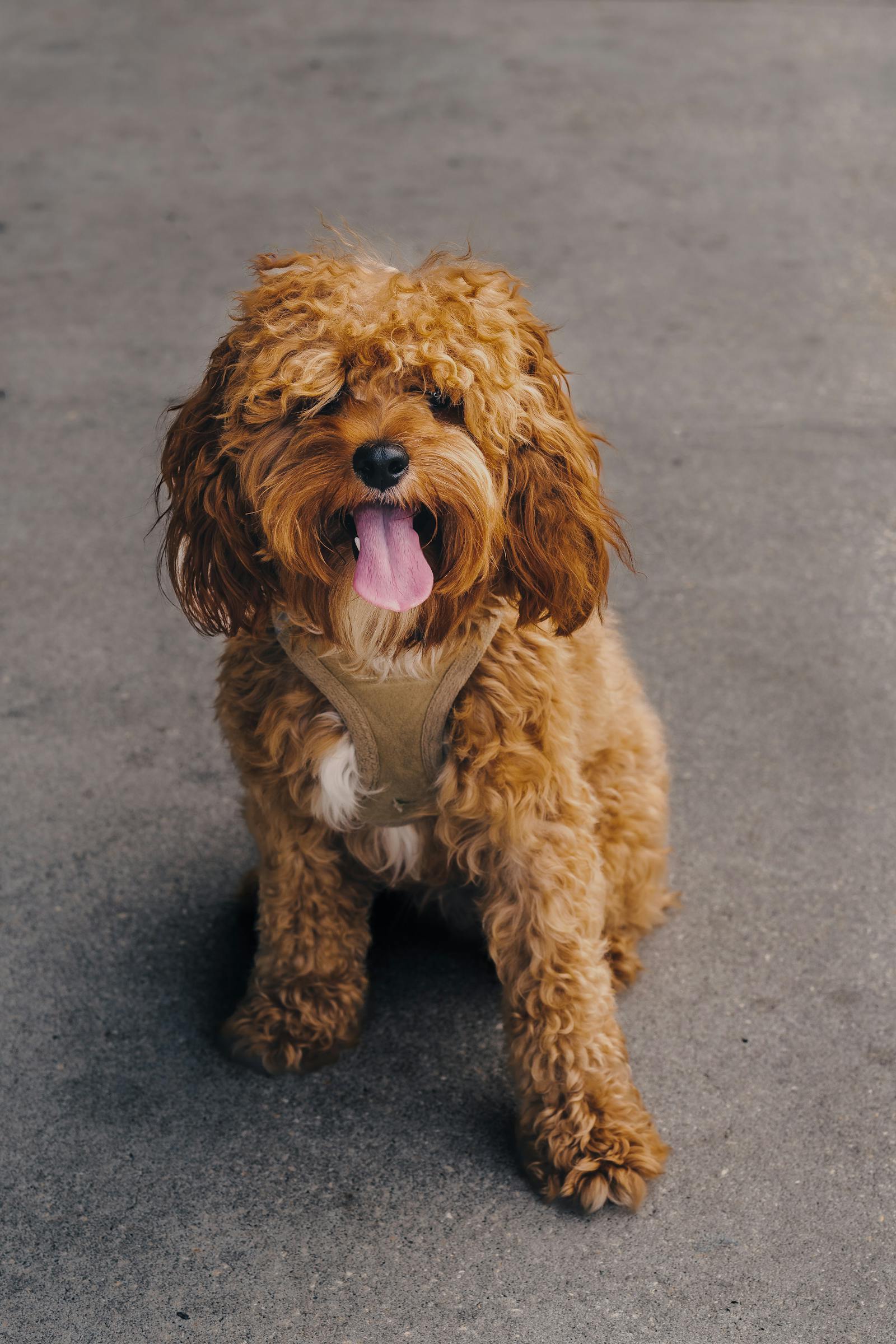
Can my Cavoodle eat human foods like chicken, carrot, or scrambled egg?
Plain cooked chicken (boneless, skinless, unseasoned) is safe for most dogs, but introduce cautiously if your Cavoodle has skin or gut symptoms (chicken is the #1 allergen). Raw carrot, plain cooked pumpkin, blueberries and small amounts of plain scrambled egg are excellent low-calorie treats. Skip anything with onion, garlic, butter, oil, salt or sugar.
What treats should I avoid completely?
The shortlist: xylitol, grapes, sultanas, chocolate, onion, garlic, macadamia nuts, cooked bones, raw bread dough, fatty human leftovers, anything with artificial sweeteners. If in doubt, don't feed it.
Are the supermarket Cavoodle-branded treats actually good for them?
It depends on the ingredients list, not the marketing on the front. Many supermarket "doodle" treats are wheat-and-chicken-based, exactly the wrong combination for a chicken-sensitive Cavoodle. Flip the packet, read the first three ingredients, apply the 10% rule. Breed-branded labels are marketing; the back of the packet is the truth.
What's the best low-fat treat for a Cavoodle with a sensitive stomach?
Kangaroo. Typically under 2% fat, single-protein, novel, and gentle on the gut. Plain, air-dried, single-ingredient treats are kindest to sensitive stomachs.
How do I treat-train without my Cavoodle getting fat?
Three rules. First, use the smallest piece that still motivates her (split treats again and again). Second, count treats as calories: every training session reduces the next meal portion by an equivalent amount. Third, mix food rewards with non-food rewards (praise, a quick play, access to a favourite spot).
Are treats different for Cavoodle vs Groodle vs Spoodle vs Labradoodle? (doodle treats Australia)
Yes, and the differences come from size and inheritance. When shopping for doodle treats Australia-wide, remember: Cavoodles need small, soft, low-allergen treats. Groodles and Labradoodles can handle larger formats but need strict calorie discipline (Labrador and Golden weight-gain tendency). Spoodles need ear-friendly, lower-grease treats. Schnoodles need the lowest fat of any oodle. The breed cards above are your quick reference.
What's the difference between a Cavoodle and a Cavapoo?
They're the same dog, different name. "Cavoodle" is the Australian term; "Cavapoo" is the UK and US term. Both refer to a cross between a Cavalier King Charles Spaniel and a Toy or Miniature Poodle. The Wikipedia entity is Cavapoo. Treat strategy is identical regardless of which name you use.
Australian pet health resources
Where to turn in Australia
- Australian Veterinary Association (AVA) Find-a-Vet: ava.com.au/find-a-vet. Locate a registered vet anywhere in Australia.
- Animal Poisons Helpline (24/7. Aus + NZ): 1300 869 738.
- RSPCA Australia: rspca.org.au. Welfare advice and reporting.
- PetSure 2025 Pet Health Monitor: Annual report on the most-claimed conditions in Australian pets, including Cavoodles. petsure.com.au.
- Pet Food Industry Association of Australia: Understanding pet food labels.
One last thing before you go
If you've made it this far, your Cavoodle has already won. Most owners never read past the front of the packet. The fact that you did, that you went looking for the actual numbers, the actual ingredients, the actual breed-specific evidence, is the reason she's going to be slim, biddable, and trotting alongside you for the next 12 to 15 years.
Bookmark this page. Send it to the friend who just brought home a Cavoodle puppy. Print the calorie chart and stick it on the fridge. And the next time someone at the dog park says "oh, she'll be right, it's just one biscuit", you'll know exactly what to say.
Browse our Cavoodle-safe range
Single-protein. Soft. Australian-made. Sized for small mouths and small calorie budgets. The treats we'd feed our own Cavoodles.
See the soft treats rangeBuying a Christmas present for a cavoodle? Our Christmas gifts for dogs guide has 29 ideas sorted by budget, and the Christmas dog treats range has the festive cookies and gift boxes.
Sources and references
- McGreevy PD, Thomson PC, Pride C, Fawcett A, Grassi T, Jones B. (2005). Prevalence of obesity in dogs examined by Australian veterinary practices and the risk factors involved. Veterinary Record 156(22):695-702. PubMed.
- VetVoice Australia. Obesity in Pets. vetvoice.com.au.
- Dogster (Hill's Pet Nutrition data). Pet Obesity Statistics and Trends Australia. dogster.com.
- Greencross Vets. The Risks for Overweight Pets. greencrossvets.com.au.
- VCA Hospitals. True or False: Pet Treats Should Make Up 10 Percent of Daily Calories. vcahospitals.com.
- WSAVA Global Nutrition Committee (2020). Calorie Needs for Healthy Adult Dogs. wsava.org PDF.
- Pet Insurance Australia (2025). Australia's Most Popular Dog Breeds in 2025: A State-by-State Look. petinsuranceaustralia.com.au.
- Insurance Business Magazine. Australia's Cavoodle popularity rankings. insurancebusinessmag.com.
- Cavalier Health Foundation. Mitral Valve Disease in Cavalier King Charles Spaniels. cavalierhealth.org.
- Cavalier Health Foundation. Pancreatitis in Cavaliers. cavalierhealth.org.
- O'Neill DG et al. (2025). The frequency and risk factors for acute diarrhoea in dogs under primary veterinary care in the UK. PLOS ONE. PLOS ONE.
- Mueller RS, Olivry T, Prélaud P. (2016). Critically appraised topic on adverse food reactions of companion animals (2): common food allergen sources in dogs and cats. BMC Veterinary Research 12:9. BMC Vet Res.
- Vets Love Pets. Oodle Breed Guide. vetslovepets.com.au.
- PetSure (2025). Launches 2025 Pet Health Monitor Report (Dr Simone Maher). petsure.com.au.
- Standards Australia. AS 5812:2023 Manufacturing and Marketing of Pet Food. store.standards.org.au.
- Pet Food Industry Association of Australia. Understanding Pet Food Labels. pfiaa.com.au.
- CBS News. Labradoodle Creator Calls Dog Breed His Life's Regret (Wally Conron interview). cbsnews.com.
- Bow Wow Insurance. Golden Doodle / Groodle Breed Profile. bowwowinsurance.com.au.
- Wikipedia. Cavapoo. en.wikipedia.org/wiki/Cavapoo.
- Wikipedia. Cavalier King Charles Spaniel. en.wikipedia.org/wiki/Cavalier_King_Charles_Spaniel.
- Wikipedia. Poodle. en.wikipedia.org/wiki/Poodle.
- Wikipedia. Pancreatitis in dogs. en.wikipedia.org/wiki/Pancreatitis_in_dogs.
About this article
This article was written and edited by the Huds and Toke editorial team, based on a multi-day research process that drew on peer-reviewed Australian veterinary literature, named statements from Australian veterinarians, the Pet Food Industry Association of Australia, the WSAVA Global Nutrition Committee, and the Cavalier Health Foundation. Every statistic cited in the article was checked against its primary source URL before publication. No quotes have been fabricated.
Conflict of interest disclosure: Huds and Toke is an Australian premium pet treats brand. We make products that fall into several of the categories discussed in this article (single-protein, soft, training-sized, functional). This piece is intended as educational reading, not as veterinary advice. It is not a substitute for an in-person consultation with a registered Australian veterinarian, and our products are not formulated to treat, cure, heal or prevent any condition.
Cite this article
Huds and Toke Editorial Team. (2026, 23 May). What Treats Can I Give My Cavoodle? An Aussie Guide. Huds and Toke. Https://hudsandtoke.com.au/cavoodle-treats-australian-guide/
Press, vet professional or media use: You're welcome to quote up to 250 words from this article with a link back to the original page. For the underlying calorie tables and breed-comparison data, please email hello@hudsandtoke.com.au for the source-by-source citation pack. We're happy to provide supporting Australian-vet contacts on request.
Huds and Toke. Naturally Australian. Loved Worldwide.
Huds and Toke is a family-owned Australian premium pet treats company, family-run for well over a decade on Queensland's Sunshine Coast. Products are stocked across Australia, the UK, US, Ireland, Singapore, Germany and Japan.
Learn more on Wikipedia · Our story · Awards & recognition · Browse the full dog treat range