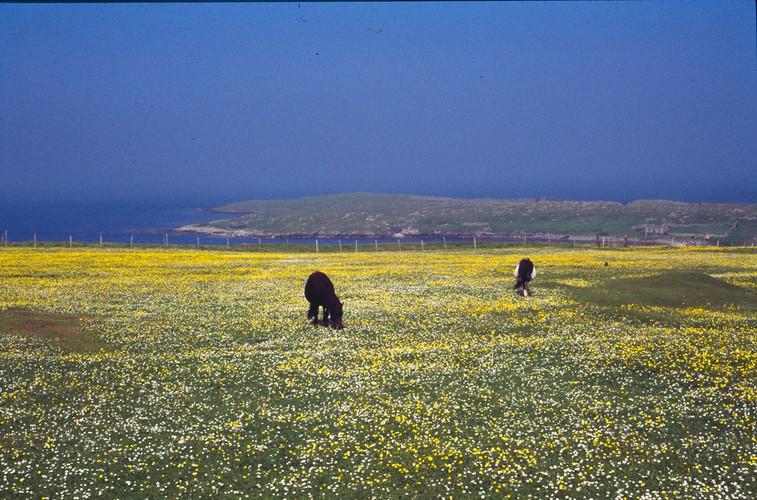
Shetland, Welsh and Australian Pony Treats: The Easy Keeper Problem
Posted by The Huds and Toke Editorial Team on 24th Aug 2026
There is a particular kind of guilt that comes with owning a good doer. Everybody else at the agistment is feeding hard to keep condition on. You are rationing hay, muzzling at spring, and still your pony looks like it has been inflated overnight. It feels like you are doing something wrong. You are not. You are managing a body that was built by two and a half thousand years of scarcity, and then asked to live on Australian pasture.
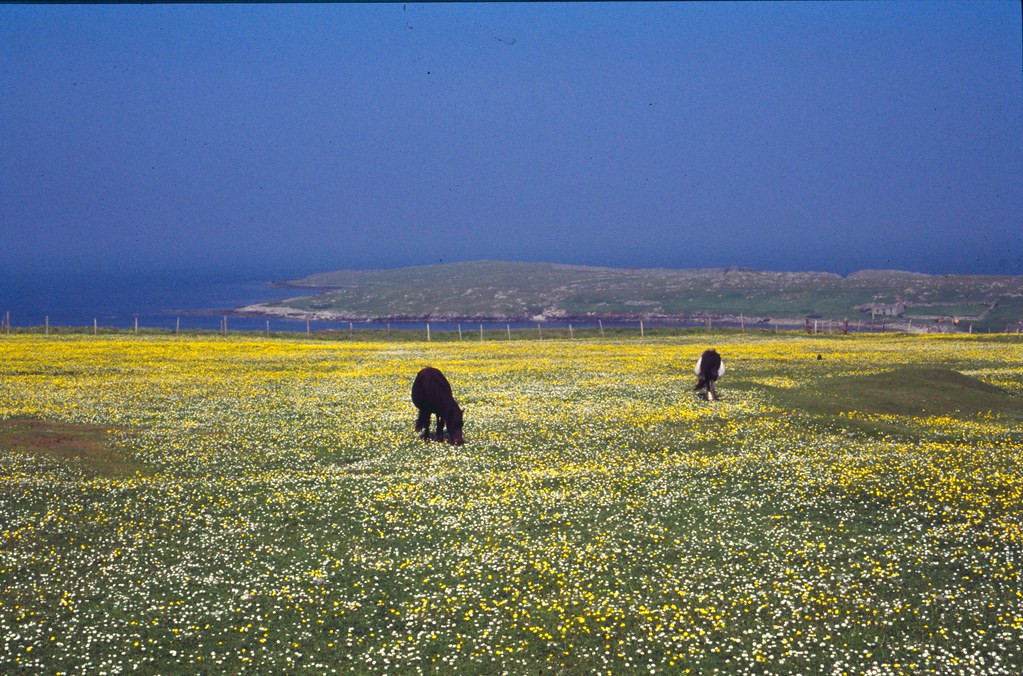
Three pony breeds, one inherited problem
- These three are not just small horses. They descend from stock that survived where a horse would have starved, and that thrift is now a medical risk rather than an advantage.
- Ponies are genetically predisposed to equine metabolic syndrome, and EMS is the most common cause of laminitis, according to the University of Queensland's equine hospital.
- The Welsh Section A carries the highest odds of the Welsh types in the largest study of native ponies to date.
- If your pony has diagnosed EMS or active laminitis, the honest answer is no treats at all. Not ours, not carrots, not apples. That advice comes from an Australian vet school and we are not going to pretend otherwise.
- For the healthy but at-risk pony, sugar free is the sensible default, and portion size matters more than the ingredient list.
Your pony was engineered by hunger
Every breed in this article was shaped by land that gave nothing away. The Shetland Isles have carried small ponies for around 2,500 years, and in the worst winters the lack of grazing drove them down to the shoreline to eat seaweed. The Welsh hills were not much kinder. Only the animals that could hold condition on almost nothing lived long enough to breed, and they passed that ability on.
Veterinary science has a name for what that produced. The University of Queensland's equine specialist hospital puts it plainly: "Ponies are genetically predisposed to EMS. Obesity in ponies is common due to a thrifty genotype combined with rich food and less exercise, this leads to a high EMS incidence." The genes that kept a pony alive through a Shetland winter are the same genes that put it in front of a vet in a Queensland spring.
That last figure deserves a second look. Nearly one in four. Not one in four elderly ponies, or one in four obviously overweight ponies. One in four of the general native pony population. If you own one of these three breeds, the base rate is not on your side, and that is before Australian pasture gets involved.
The thrift that kept your pony's ancestors alive is the same thrift that will founder it on good grass.
The Huds and Toke Editorial TeamThe three breeds, side by side
| Shetland Pony | Welsh Mountain Pony | Australian Pony | |
|---|---|---|---|
| Shaped by | Shetland Isles, roughly 2,500 years | The Welsh hills | Australia, from Welsh and Arabian foundation stock |
| Height | Up to 42 inches at the withers | Section A, up to 12 hands | Typically 12 to 14 hands |
| Historic job | Carrying peat and seaweed, later pit work | Hill work and harness | Children's riding and show pony |
| Metabolic risk | Very high. The most extreme thrift of the three | High. Section A carried the highest odds of the Welsh types | High. It inherited the thrift from both sides |
| Treat verdict | Sugar free only, and weighed | Sugar free only, and weighed | Sugar free, with an eye on the Arabian half |
The Shetland Pony
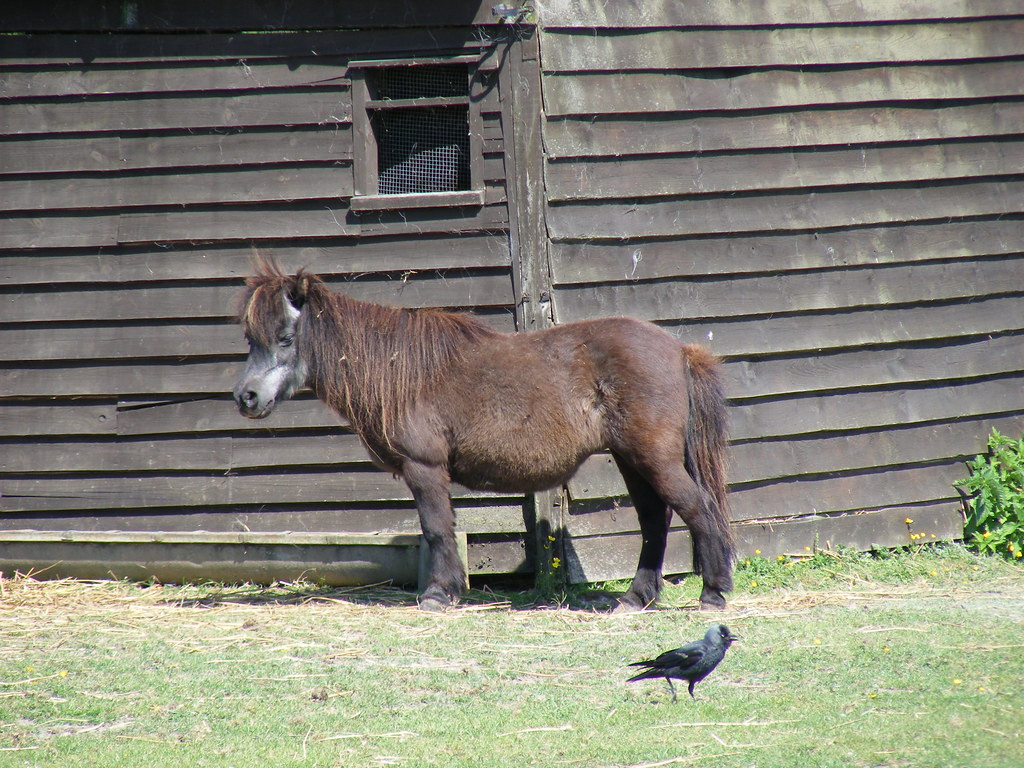
Where they come from. Bones of small ponies have been dug from the earliest settlements in the Shetland Isles, and the breed has been there in some form for around two and a half thousand years. Nowhere in Shetland is more than about four miles from the sea, and it is well documented that in the hardest winters, when the hill grazing failed, ponies went down to the shore to eat seaweed. For centuries they carried peat and worked the ground. After the 1847 law banning child labour in the coal pits, they went underground instead.
What that history did to the pony. Shetlands are, pound for pound, among the strongest equines alive, and they are the most efficient converter of feed in this article. A Shetland does not need good grass. A Shetland does not want good grass. Put one on improved Australian pasture without a plan and you are running an experiment with a predictable ending.
What suits them.
- Sugar Free Veggie Horse Bix, which is the one we would hand a Shetland owner first.
- Carrot Horse Bix in the 100g bag rather than the kilo, because with a Shetland the smaller bag is a feature, not a compromise.
- Carrot Bon Bon as a single, deliberate, once-in-a-while thing.
The Welsh Mountain Pony
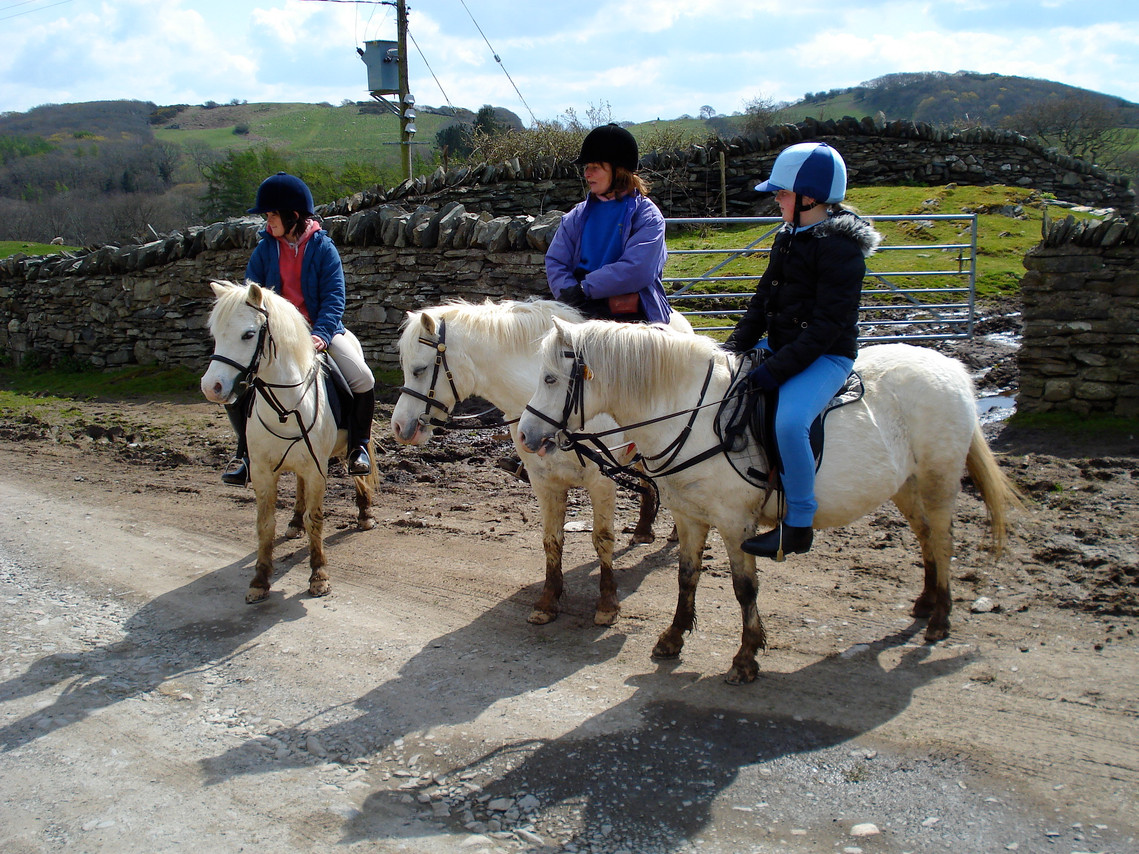
Where they come from. The Welsh Mountain Pony, the Section A, is the foundation from which the other Welsh types were built. It ran on the Welsh hills long before anyone wrote a stud book, in weather and on ground that selected hard for soundness and economy.
The finding that matters. In the Carslake study of UK native ponies and cobs, the Welsh Section A was the reference point against which everything else was measured, and the other Welsh sections, the Connemara and the cob breeds all showed decreased odds of EMS by comparison. In plain terms: of the Welsh types studied, the Section A carried the highest risk. If you own the smallest, hardiest, most old-fashioned looking Welsh pony on the property, you own the one that needs watching most.
What suits them.
- Sugar Free Veggie Horse Bix as the everyday.
- Apple Horse Bix from our sugar free range, for a bit of variety without changing the maths.
- Turmeric and Coconut Horse Bix for the older Section A with some hard hill miles behind it.
The Australian Pony
Photo wanted
We could not find a photograph of an Australian Pony we were confident enough in to publish, and we would rather leave a space than show you the wrong breed. If you own one, send us a photo and we will feature it here with your pony's name on it.
Where they come from. This is the one that is genuinely ours. Australia had no native horses or ponies, so the Australian Pony was built here out of imported stock, with the Welsh Mountain Pony as its backbone. The stallion Dyoll Greylight, imported in 1911, is regarded as a founding influence. The Australian Pony Stud Book Society was formed in 1931 and remains the oldest and largest pony stud book society in the country. From the 1940s, breeders began putting Arabian stallions over registered mares, which is where the finer head and the extra bit of quality came from.
What that history did to the pony. Here is the part owners sometimes miss. The Australian Pony did not dilute the thrift, it concentrated it. The Welsh foundation brought the hill pony metabolism, and the Arabian, a breed shaped by desert scarcity, brought more of the same. A refined, elegant, deceptively leggy pony can still be an extremely good doer underneath.
What suits them.
- Sugar Free Veggie Horse Bix and Carrot Horse Bix, which double as a low-sugar training reward for a pony doing Pony Club or showing.
- Calm O's for the sharper Arabian-influenced type on a show morning.
- Salt O's after a hot day's work, because sweat losses are real even in a small pony.
The honest bit: what an Australian vet school says about treats
We sell horse treats. You should still read this.
UQ VETS, writing about the management of a pony with equine metabolic syndrome, says: "It's important not to feed your horse or pony tidbits, apples, carrots, liquorice, or bread scraps because it all adds up." That is not a carve-out for low-sugar products. That is a vet school telling you that a diagnosed EMS pony should not be hand-fed extras at all, including things most owners think of as harmless.
So here is the line we draw. If your pony has diagnosed EMS, is currently laminitic, or is on a vet-directed weight loss plan, do not buy our treats for it. Ask your Australian vet what, if anything, is appropriate. If your pony is healthy but belongs to one of these at-risk breeds, sugar free treats fed in measured amounts are a reasonable thing to do, and better than the alternative you might reach for instead.
The same UQ guidance sets the roughage target at 1.5 per cent of bodyweight in forage under 10 per cent non-structural carbohydrate, and notes that teff hay is consistently low, while lucerne or grassy hay can be soaked for an hour and rinsed. That is the part of the diet that actually decides whether your pony founders. Treats are a rounding error by comparison, right up until they are not.
The bit nobody does: the maths on a small body
A 500 kilogram warmblood and a 200 kilogram Shetland get handed the same size treat out of the same bag, because the bag does not know the difference. That is the whole problem in one sentence.
Run it properly. If you follow the widely used guideline of keeping treats to around 10 per cent or less of daily energy intake, the allowance scales with the animal, and a pony is a much smaller animal than most owners feel like they are feeding.
| Typical animal | Bodyweight | Forage at 1.5% of bodyweight | Relative treat allowance |
|---|---|---|---|
| Small Shetland | about 180 kg | about 2.7 kg a day | Roughly a third of a 500 kg horse's |
| Welsh Section A | about 250 kg | about 3.8 kg a day | Half of a 500 kg horse's |
| Australian Pony | about 320 kg | about 4.8 kg a day | Under two thirds |
| Riding horse, for comparison | about 500 kg | about 7.5 kg a day | The size most treat habits are built around |
The forage figures come straight from the UQ target of 1.5 per cent of bodyweight. The point of putting them next to each other is not the precise numbers, which your vet should set for your pony, but the ratio. A Shetland eats roughly a third of what a riding horse eats, so the same handful of treats is worth about three times as much to it.
What to actually do, in order
- Get a real bodyweight and a body condition score. Guessing is how ponies get to a body condition score of 7 out of 9 without anyone noticing. A weight tape is fine as a trend tool.
- Fix the forage first. Under 10 per cent NSC, fed at around 1.5 per cent of bodyweight, per the UQ guidance. Soak it if you have to.
- Manage the pasture, especially in spring and after autumn rain. Our guide to what horses can and cannot eat covers the seasonal traps, and the role of hay is worth reading alongside it.
- Only then think about treats, and make them sugar free and measured.
- If anything has already gone wrong, our guide to safe treats for laminitic horses goes into the management detail this article deliberately does not repeat.
The sugar free range exists for exactly these ponies
Veggie, carrot and apple Horse Bix, made here, formulated without added sugar for the good doers who cannot afford it.
Browse sugar free horse treatsWork it out for your pony
Pony weight and treat tally
Most of us guess a pony's weight. Two tape measurements get you closer. Girth is the tape right around the body just behind the elbow. Length runs from the point of the buttock to the elbow, the way Agriculture Victoria's diagram draws it.
What did the kids hand out today?
A rough guide, not a ration, and not a way to dose wormer or medicine: ask your Australian vet for that. The weight formula is from Agriculture Victoria's condition scoring note (after Carroll and Huntington, 1988). Feed is Agriculture Victoria's 1.5 to 2% of bodyweight. Energy uses the maintenance rates from the US National Research Council (2007). Treat figures are the upper limits from our own product pages: Neigh Nuggets run over 300 to the kilogram at 12.3% sugar, and Pony Puddings 40 or more to the kilogram at 19.41 g of sugars per 100 g.
Common questions
Can my Shetland have carrots?
A healthy Shetland, occasionally, in a measured amount, probably. A Shetland with diagnosed EMS or a history of laminitis, no, and UQ names carrots specifically. The difference is your pony's actual metabolic status, which is a question for your Australian vet rather than an article.
Is sugar free the same as safe?
No, and it is worth being clear about that. Sugar free means we have not added sugar. It does not make a treat calorie-free, and it does not override a vet-directed diet. Portion size still matters.
My Australian Pony looks lean. Do these rules still apply?
Yes, and this is the trap with the finer types. UQ notes that EMS occasionally turns up in leaner ponies and horses too, so a good topline is not proof of a healthy metabolism. If in doubt, ask for blood work rather than eyeballing it.
What about a birthday or a Christmas treat?
For a healthy pony, one deliberate small treat on a special day is not the thing that founders it. Do it knowingly, not habitually, and take it out of the day's ration rather than adding it on top.
Which of your treats would you not sell me for an easy keeper?
The molasses range, Pony Puddings, and the donuts and cookies. They are good products for horses in real work. They are the wrong products for the three breeds in this article, and we would rather say so than take the sale.
References
- UQ VETS Equine Specialist Hospital, University of Queensland. Equine metabolic syndrome (EMS) and laminitis. uqvets.com.au
- Carslake HB, Pinchbeck GL, McGowan CM. Equine metabolic syndrome in UK native ponies and cobs is highly prevalent with modifiable risk factors. Equine Veterinary Journal, 2021.
- Shetland Pony Stud Book Society, Breed History. shetlandponystudbooksociety.co.uk
- Australian Pony Stud Book Society, founded 1931.