Labrador, Golden and Beagle Treats: Feeding the Dogs That Never Say No
Posted by The Huds and Toke Editorial Team on 27th Aug 2026
The Labrador is the dog everybody pictures when they picture a fat dog, and it is the one breed with a famous obesity gene to explain it. So here is the awkward part. In the largest study of its kind, run across more than 22,000 dogs in British vet clinics, the Beagle and the Golden Retriever both turned out more likely to be overweight than the Labrador. The gene is real, it is measurable, and it is not what decides the outcome. You are.
Three breeds that will never tell you they have had enough
- Labrador Retriever. Roughly one in four carries a gene deletion worth nearly two kilos of bodyweight on its own. Knowing that changes how you portion, not whether you can.
- Golden Retriever. Higher measured odds of being overweight than the Labrador, and desexing raises the risk again at every age. The breed where the maths quietly changes after surgery.
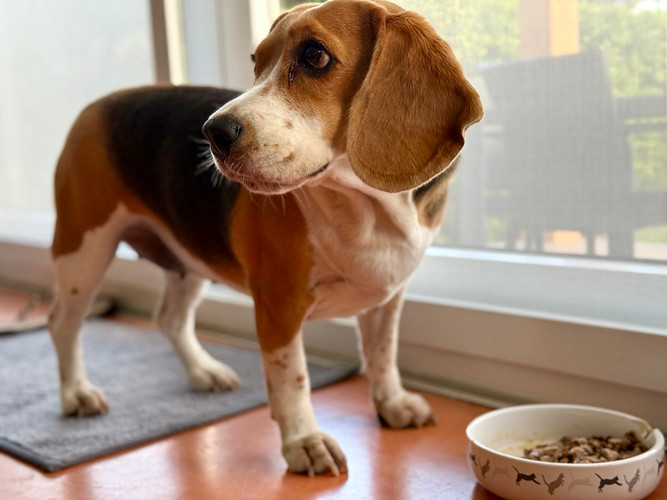
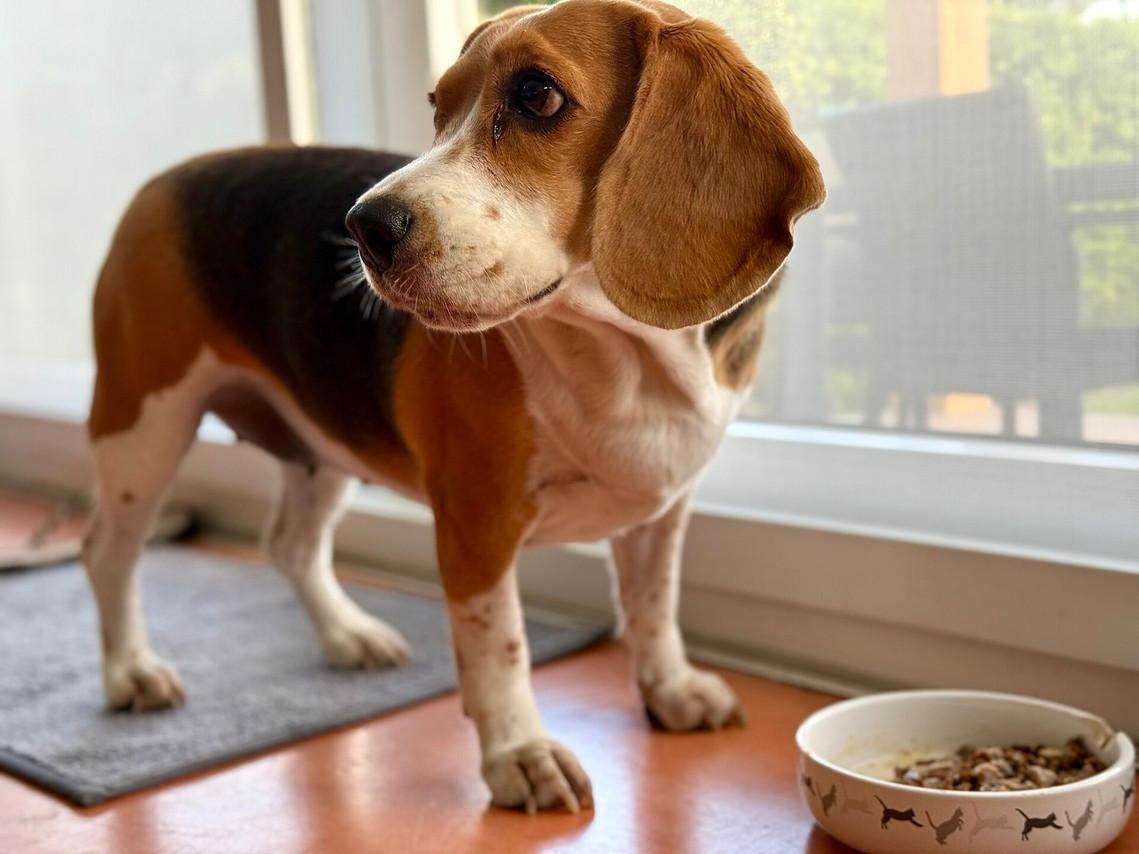
- Beagle. The second most overweight-prone breed of any, behind only the Pug. A nose built to work a scent for hours, attached to a dog that never files a report saying full.
- The move that works for all three. Take the treats out of the daily food ration, not on top of it. Then make the treat itself smaller and lighter, because with these three you will be handing over a lot of them.
The famous fat dog is not the fattest
In 2021 a team led by Camilla Pegram at the Royal Veterinary College went through the clinical records of 22,333 dogs under primary veterinary care and manually validated every case of overweight status. This is overseas data, from the United Kingdom, so read it as a pointer rather than an Australian headcount. But it is the cleanest breed comparison anybody has, because it comes from what vets actually wrote down rather than what owners reported about themselves.
Eight breeds came out with higher odds of being overweight than a crossbred dog. Here are the four highest.
| Breed | Odds of being overweight vs a crossbred | 95% confidence interval |
|---|---|---|
| Pug | 3.12x | 2.31 to 4.20 |
| Beagle | 2.67x | 1.75 to 4.08 |
| Golden Retriever | 2.58x | 1.79 to 3.74 |
| English Springer Spaniel | 1.98x | 1.31 to 2.98 |
The Labrador is in that list of eight. It is simply further down it than either the Beagle or the Golden. Which is a strange result for the breed that carries the best documented appetite gene in dogs, and it is worth sitting with, because it is the whole argument of this article.
Why a vet-recorded number looks low. That 7.1 per cent is what clinicians formally noted in a year, not how many dogs were actually carrying extra weight. Studies that physically body-score every dog land far higher. Treat the breed comparison as the useful part, not the headline rate.
The three, side by side
| Labrador Retriever | Golden Retriever | Beagle | |
|---|---|---|---|
| Origin | Newfoundland, not Labrador | Scottish Highlands, 1860s | England, pack scent hound |
| Typical adult weight | 25 to 36 kg | 25 to 34 kg | 9 to 16 kg |
| Bred to | Haul nets and retrieve in freezing water | Retrieve shot game across rough Highland ground | Follow a scent on foot, all day, in a pack |
| The real risk | A gene that blunts the signal to stop eating | Desexing plus a quiet life | A nose that finds food you forgot existed |
| Treat verdict | Weigh it. Every day. No eyeballing | Recalculate after desexing, not before | Small, and stored somewhere they cannot reach |
The Labrador Retriever
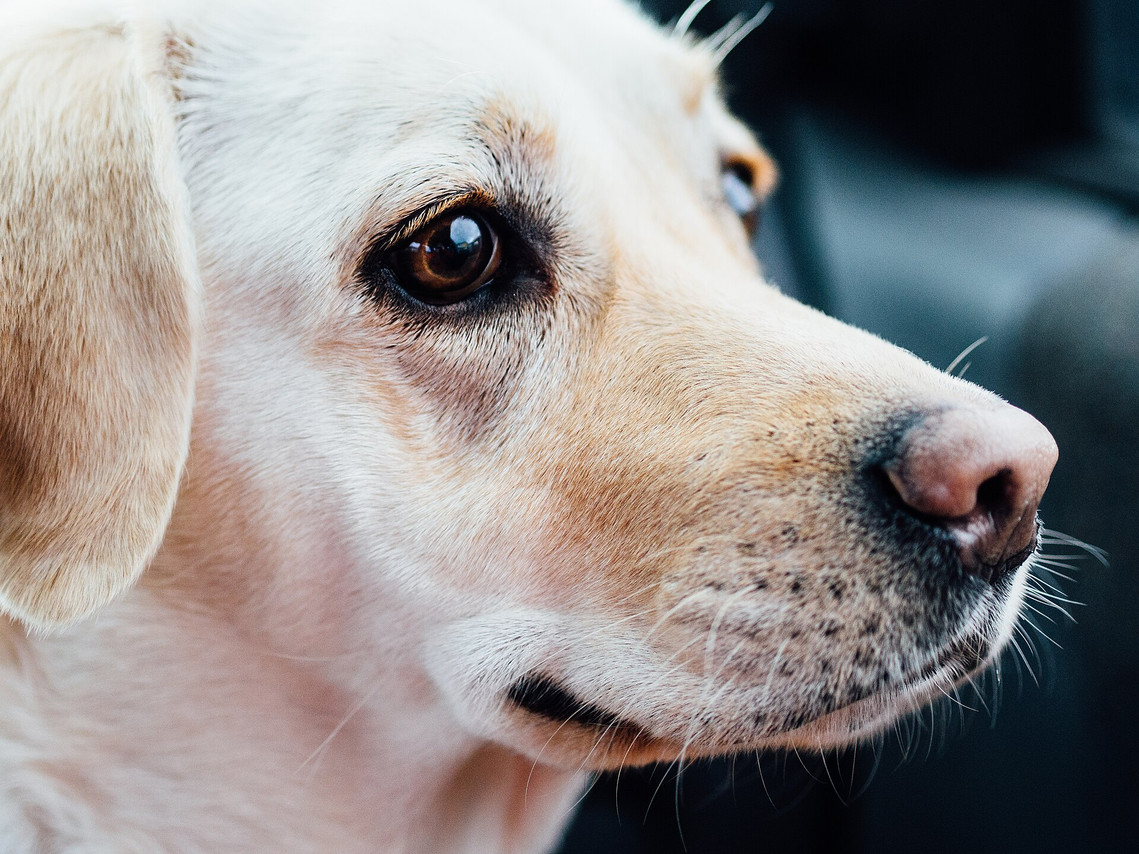
Where they come from. Not Labrador. The breed descends from the St John's water dog of Newfoundland, a working animal that swam out to haul in fishing nets and retrieve escaped cod in water cold enough to kill. English aristocrats brought them home in the early 1800s and refined them into a gundog. The double coat, the otter tail and the greasy water-shedding jacket are all still there, doing a job nobody asks of them any more.
The gene, accurately. In 2016 Eleanor Raffan and colleagues at Cambridge published the finding in Cell Metabolism. A 14 base pair deletion in the POMC gene disrupts the coding for beta-MSH and beta-endorphin, two of the signals involved in telling a body it has eaten. In a sample of pet Labradors, about 23 per cent carried at least one copy.
The effect is not subtle and it is not vague. Each copy of the deletion was worth 1.90 kg of bodyweight, and a 9.9 per cent increase in measured food motivation. Among Labradors used as assistance dog breeding stock, roughly three quarters carried a copy, which is the part that makes sense the moment you say it out loud: a dog that will work relentlessly for food is a dog that trains beautifully.
The newer piece. In April 2025 the same Cambridge group published in Science on DENND1B, a gene that turned up in a genome-wide scan of 241 British Labradors. Each copy was associated with roughly 7 to 8 per cent more body fat. Unlike POMC, DENND1B is not Labrador-specific, and the same gene is associated with body mass index in humans. Every one of the top five dog obesity genes they found had a human counterpart.
What that actually means for a treat jar. It means a Labrador's appetite is not a training failure and not a character flaw, and treating it as one is why so many owners oscillate between overfeeding and guilt. A dog carrying two copies of the POMC deletion is asking for food because the machinery that says enough is genuinely quieter. You do not argue with that. You manage it with a set of scales.
Treats that suit a Labrador.
- Carrot Bon Bons and Veggie Tubes, the two things in our range built for exactly this dog. Something substantial to receive, without the load.
- Kangaroo Micro Bones for training, because kangaroo is the leanest protein we work with and the piece is already small.
- Unreal Veggie Ears when you want to hand over something that looks like an event.
- Green Lipped Mussels, because a Labrador that has carried extra weight has carried it on its hips. We have written on what green lipped mussel does and does not do.
The Golden Retriever
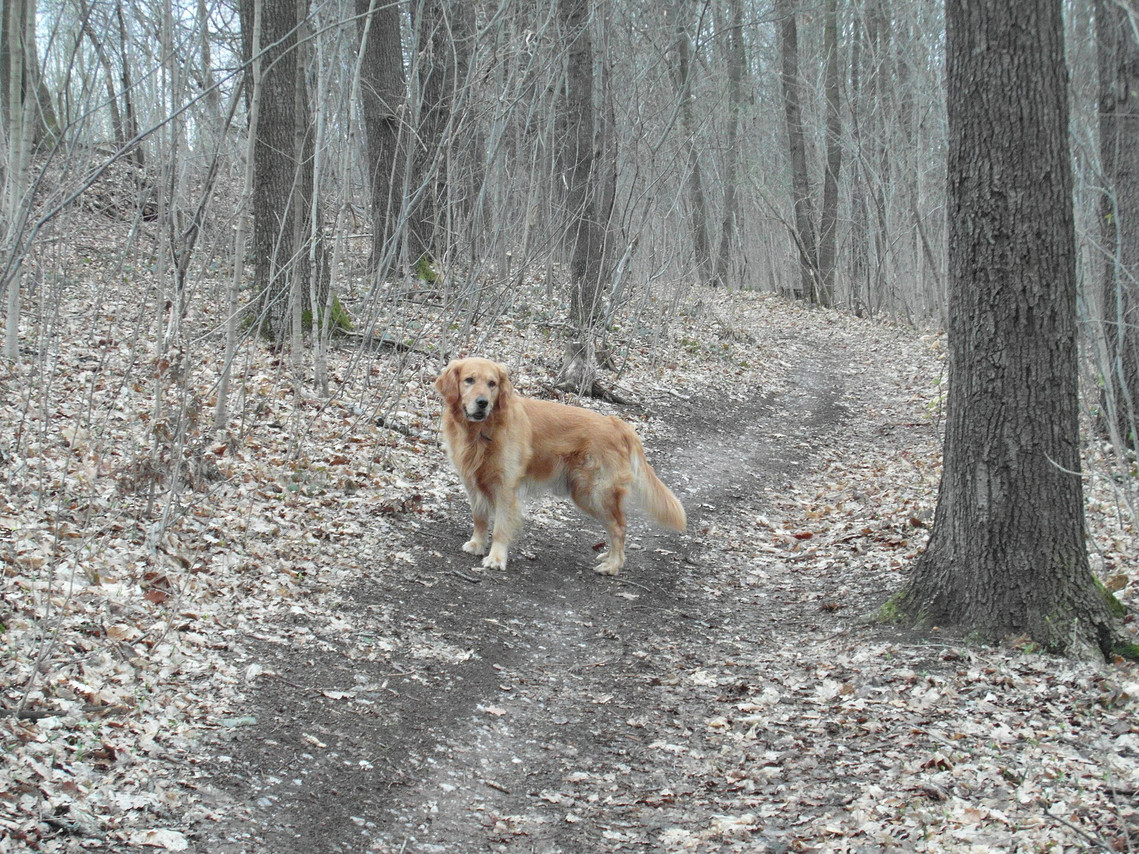
Where they come from. One estate, one man, one deliberate cross. In 1868 Dudley Marjoribanks, later Lord Tweedmouth, put a yellow retriever named Nous to a Tweed Water Spaniel called Belle at Guisachan in the Scottish Highlands. He kept meticulous records, which is why the breed's origin is unusually well documented. He wanted a gundog that could work heavy Highland cover and freezing water and still be pleasant to live with. He got one, and the temperament is the reason the breed took over the world.
The risk nobody warns you about. The Golden sits at 2.58 times the odds of a crossbred for being overweight, higher than the Labrador, with no famous gene doing the work. Some of it is simply that Goldens are agreeable. A dog that is delighted by everything is a dog it feels good to feed.
But there is a specific, measurable factor, and it is one most owners are never told about at the time. The Golden Retriever Lifetime Study, a prospective cohort run by the Morris Animal Foundation, followed a large group of Goldens through their lives. Analysing that data, Simpson and colleagues reported in PLOS ONE in 2019 that desexing at any age raised the risk of becoming overweight or obese, compared with dogs left intact. Dogs desexed at six months or younger carried a hazard ratio of 1.81. Even those done after twelve months sat at 1.56.
Nobody hands you a new feeding chart on the way out of the desexing appointment. That is the gap.
The Huds and Toke Editorial TeamThis is not an argument against desexing, and we are not qualified to make one. It is an argument for recalculating the food after it, because the dog's energy requirement changes and the bowl usually does not. If you have a Golden and it was desexed in the last year, that is the conversation to have with your Australian vet at the next visit.
Treats that suit a Golden Retriever.
- Lamb Puff and Kangaroo Lung Puff. Light, airy, and they feel generous in the hand, which matters with a breed you will be tempted to over-reward.
- Chicken Micro Bones or Beef Micro Bones for training a breed that genuinely enjoys the work.
- Omega Paws mackerel and chia cookies, for the coat that is half the reason people own this breed.
- Meal Topper Sprinkles if you have cut the portion and want dinner to still feel like something. This is the trick that makes a reduced bowl survivable.
The Beagle
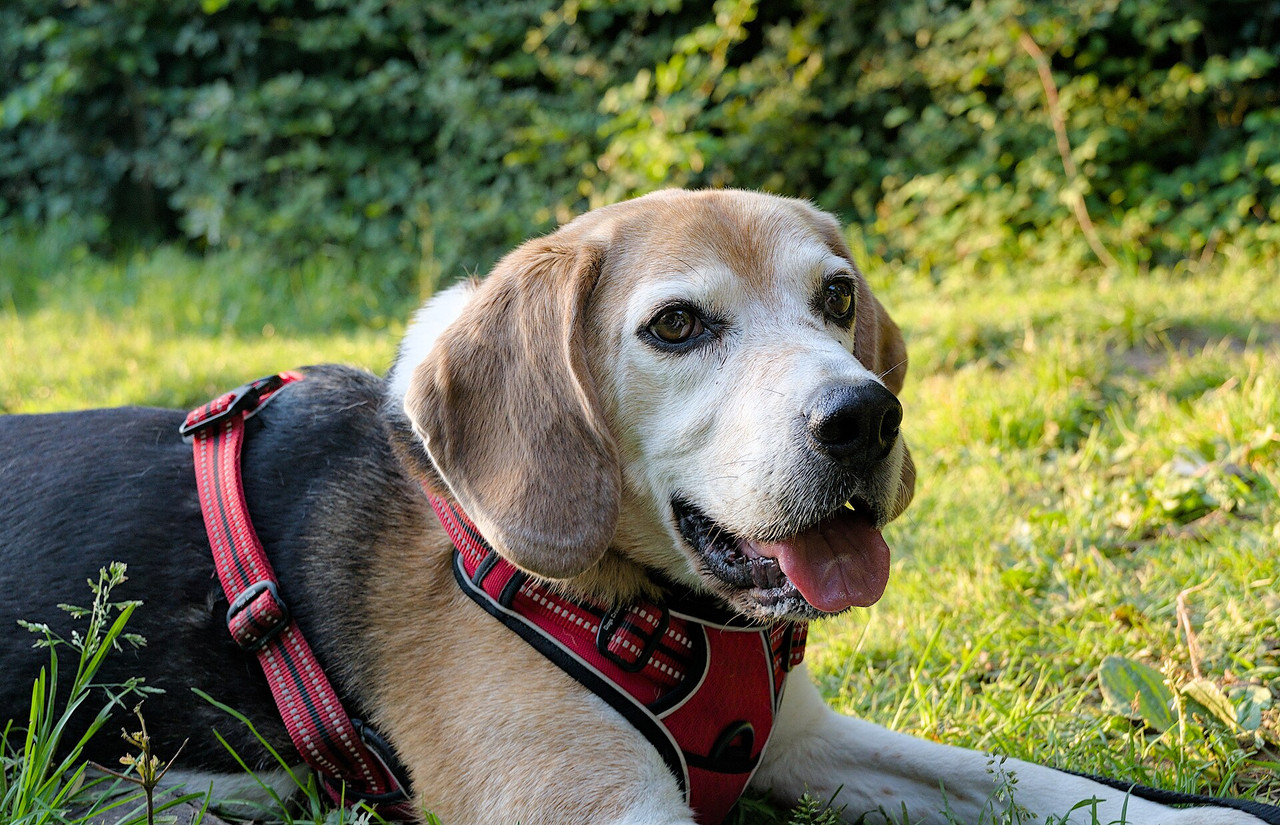
Where they come from. The Beagle is a pack hound, bred in England to follow hare on foot rather than on horseback, which is why it is small enough to keep up with walkers and loud enough to be followed by ear through cover. Everything people find difficult about a Beagle in a suburban backyard is a working trait with nowhere to go: the voice, the independence, the tendency to select a smell over a human.
The nose is the problem. A Beagle's scenting equipment is among the best in dogs, and it is not an ornament. It is a system for locating things that are not visible, and it does not distinguish between a hare and the sandwich in a child's schoolbag. Beagle owners do not lose the weight battle at the treat jar. They lose it at the bin, the bench, the compost, and the neighbour who thinks one crust cannot hurt.
What the data says. In that same UK primary-care dataset, the Beagle came out at 2.67 times the odds of a crossbred dog, the second highest of any breed and behind only the Pug. In a separate VetCompass analysis looking at Beagles specifically, obesity was the single most commonly recorded disorder in the breed.
The management insight. For a Labrador the intervention is the scales. For a Beagle it is the lid. If your dog can reach it, your dog has budgeted for it, and no amount of careful treat portioning survives an unsecured bin.
Treats that suit a Beagle.
- Little Fish Bites or Little Chicken Bites, small enough to use for the recall work this breed genuinely needs.
- Kangaroo Micro Bones, because at 9 to 16 kg a Beagle's daily treat budget is roughly half a Labrador's and the piece size has to reflect that.
- Carrot Bon Bons for the dog that wants a job in the afternoon and does not need the calories that usually come with one.
- DentaPet small to medium, sized correctly for a Beagle jaw rather than a retriever's.
How to tell, without guessing
You do not need a genetic test to know whether your dog is carrying too much. RSPCA Australia's guidance is a two-part physical check anybody can do at home in under a minute.
- The rib test. Run your hands gently along the rib cage. You should feel the ribs with a light covering of fat over them. Not sharp and exposed, and not buried.
- The outline. From above, there should be a visible waist between the end of the rib cage and the back legs. From the side, the abdomen should tuck up rather than run straight through.
If neither is true, that is the answer, and the next step is your Australian vet, who can weigh the dog properly and give it a body condition score rather than an opinion. The RSPCA notes that obesity is a common health problem in Australian dogs and that, left alone, it leads on to serious complications.
The swap list
Most owners of these three breeds do not need to stop giving treats. They need to change what the treat is, and take it out of the dinner ration rather than adding it to the day.
| If this is the daily habit | Swap to | Why |
|---|---|---|
| A pig ear or beef ear most afternoons | Unreal Veggie Ears | Same ritual, same shape, far less fat |
| Biscuits handed out through the day | Kangaroo Micro Bones | Lean, and already the right size for frequent rewards |
| Table scraps at dinner | Carrot Bon Bon | Gives the dog its own event, with a known ingredient list |
| Extra food because the bowl looks small | Meal Topper Sprinkles | Makes a reduced portion interesting instead of bigger |
Light enough to hand over often
Our low fat and vegetable range was built for the dogs in this article: something real to give, without the load that comes with it.
Browse low fat dog treatsWork it out for your dog
Dog treat allowance calculator
How much is ten per cent for your dog? Set the weight, then type in the calories per 100 g printed on any treat pack.
About 1.6 suits most desexed adult pets. Your Australian vet may set it lower for a dog that gains weight easily, and higher for a dog doing real work.
A starting point for a healthy adult dog, not a diet. Resting energy is 70 times bodyweight in kilograms to the power of 0.75, the formula used by the Ohio State University Veterinary Medical Center (a US vet school, which notes individual needs can vary by as much as 50%). The ten per cent treat limit is from the WSAVA Global Nutrition Committee. Puppies, pregnant dogs and dogs with a health condition need their own plan from your Australian vet.
Common questions
Can I get my Labrador tested for the POMC gene?
Commercial canine DNA panels do test for it. Whether it is worth doing is a fair question, because the answer does not change the plan much. A Labrador that carries the deletion needs its food weighed and its treats counted. So does one that does not. Speak with your Australian vet if you are considering it.
My Golden was just desexed. What should I change?
Ask your vet to recalculate the daily energy requirement at the post-operative check rather than waiting for the weight to appear. That is the moment the maths changes, and it is much easier to hold a weight than to take it off later.
Are vegetable treats actually filling for a big dog?
Filling is the wrong measure. What matters is that the dog gets the ritual of being given something, at a calorie cost you can afford to repeat. For a Labrador or a Golden, a treat that is mostly vegetable lets you say yes far more often than one that is mostly fat.
How many treats a day for a Beagle?
A Beagle is roughly a third to a half the bodyweight of a retriever, so its treat allowance is proportionally smaller, which surprises people who own both. The ten per cent principle and the arithmetic behind it are set out in our working dog guide.
Is my dog overweight or just big-boned?
Do the rib test above. Bone structure does not change whether you can feel a rib under a light covering of fat. If you cannot, the honest answer is weight.
References
- Pegram C, Raffan E, White E, Ashworth A, Brodbelt D, Church D et al. Frequency, breed predisposition and demographic risk factors for overweight status in dogs in the UK. Journal of Small Animal Practice, 2021. doi:10.1111/jsap.13325
- Raffan E, Dennis RJ, O'Rahilly S et al. A Deletion in the Canine POMC Gene Is Associated with Weight and Appetite in Obesity-Prone Labrador Retriever Dogs. Cell Metabolism, 2016;23(5):893-900. PMC4873617
- Canine genome-wide association study identifies DENND1B as an obesity gene in dogs and humans. Science, April 2025, University of Cambridge. doi:10.1126/science.ads2145
- Simpson M, Albright S, Wolfe B, Searfoss E, Street K, Diehl K, Page R. Age at gonadectomy and risk of overweight/obesity and orthopedic injury in a cohort of Golden Retrievers. PLOS ONE, 2019. journals.plos.org
- RSPCA Australia Knowledgebase. How do I tell if my dog is overweight? kb.rspca.org.au